Anthropic says UST is putting Claude into physical-AI engineering workflows and training 20,000 engineers, architects, and consultants on Claude worldwide.
The July 9 case study centers on UST’s work with semiconductor, automotive, manufacturing, telecom, embedded, and IoT companies. Those are not low-stakes assistant workflows. They involve chip validation, factory systems, service operations, and engineering processes where a missed fault can get more expensive the later it is found.
The most concrete example is UST’s iDEC platform for hardware and silicon validation. Anthropic says iDEC’s closed-loop pipeline already cuts validation cycle times by 50% to 70%, turning standard four-day turnarounds into 48 hours. UST is now integrating Claude as the reasoning layer in that pipeline.
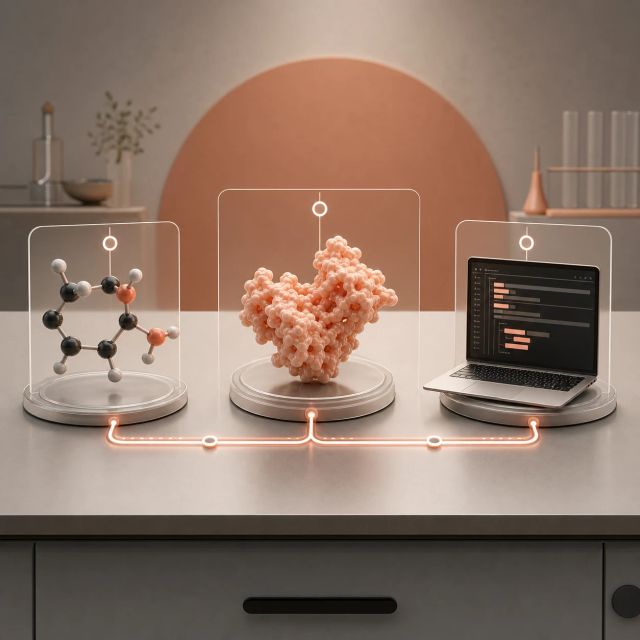
Anthropic says Claude Code reads chip pinouts and hardware schematics, writes and runs regression tests, compares live equipment data against a digital twin, and flags firmware regressions and signal-integrity faults.
The claim is about workflow ownership
The important qualifier is timing. The 50% to 70% cycle-time reduction is attributed to iDEC’s existing closed-loop pipeline, not to Claude alone.
That makes the story more useful, not less. It shows how enterprise AI is being deployed into an already engineered workflow rather than being asked to replace the workflow from scratch.
In chip validation, the work is long and iterative. Engineers write test scripts, run them, inspect failures, adjust assumptions, and repeat. A coding agent can help if it can hold hardware context, generate tests from schematics, and operate inside the same pipeline that humans already trust.
It can also fail in ways that matter. A plausible but wrong test, a missed edge case, or a false pass can push risk downstream into manufacturing or field operations. That is why Anthropic’s case study repeatedly points to human approval, audit controls, and regulated delivery.
Physical AI is a governance test
UST is also extending Claude into healthcare, telecom, and banking platforms.
In healthcare, Anthropic says Claude connects UST CarePath to claims and care systems and routes recommended actions to a person before member contact. In telecom, Claude helps UST IntelliOps operators spot service issues, predict radio-access-network failures, and shorten outages through human-approved workflows. In banking, FinX will use Claude to support operations teams and customers through case handling, servicing automation, knowledge retrieval, workflow assistance, and decision support.
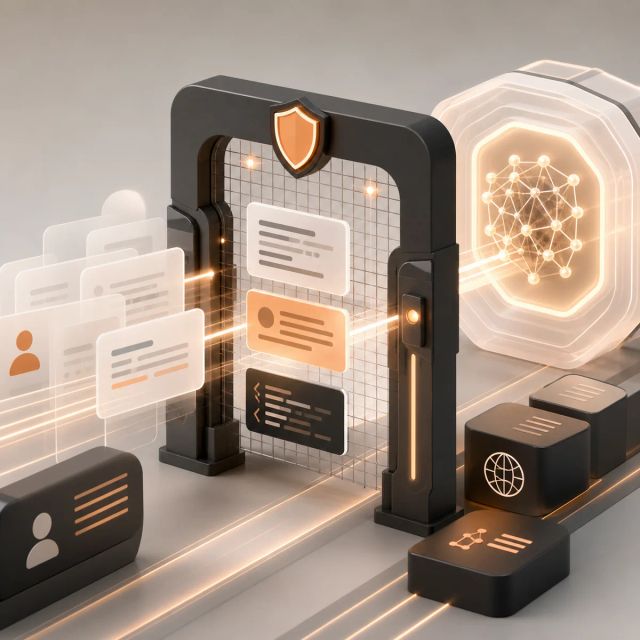
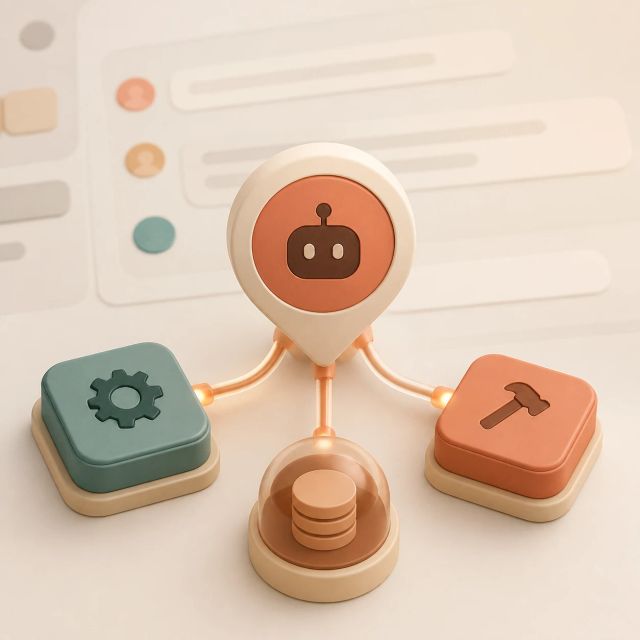
The common pattern is not a standalone chatbot. It is an agent connected to domain systems, with human approval where the output can affect customers, infrastructure, or regulated work.
That is where the buyer question should land. The relevant test is not whether Claude can write a good answer in isolation. It is whether the whole workflow can prove what the agent saw, what it changed, what a human approved, and how failures are caught before production.