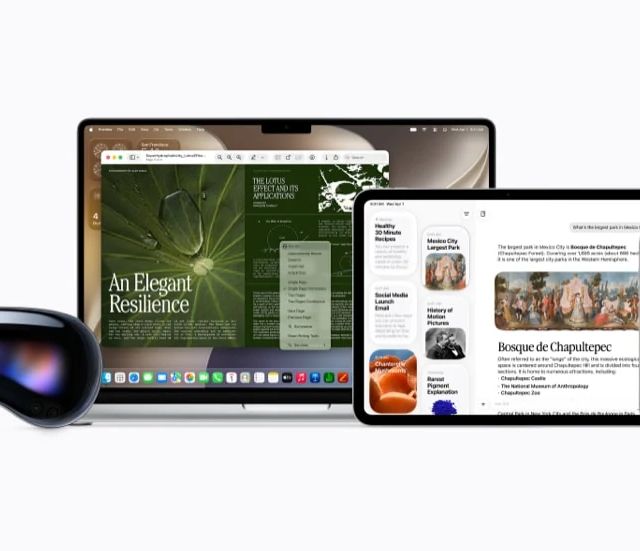
Apple has moved Siri AI from WWDC promise into the public beta path for iOS 27 and the rest of its next software cycle.
Apple’s Beta Software Program now points testers to the next releases of iOS, iPadOS, macOS, tvOS, watchOS, HomePod software, and AirPods firmware. The program page says enrolled users can test prerelease versions and send feedback through Feedback Assistant.
That does not mean every Siri AI feature is finished or broadly available. Apple’s own June announcement said new Siri AI features were available for developer testing first and would become a beta for users later this year on supported devices set to English. July 14 reporting says the public beta is now available, which makes the practical story less about the demo and more about what testers can actually rely on.
This is a follow-up to Apple’s WWDC26 Siri AI announcement, where the company positioned the assistant around personal context, onscreen awareness, web knowledge, and deeper app actions.
The beta turns Siri AI into a workflow test
The interesting question is not whether Siri AI can answer a staged prompt. It is whether it can work across the messy parts of a phone or Mac without surprising the user.
Apple says Siri AI is designed to understand personal context, answer questions about what is on screen, search across messages, emails, photos, and other local context, and take actions in apps. That makes it less like a voice assistant update and more like an operating-system interface.
The public beta path matters because these features only become valuable when they hit real calendars, real screenshots, real photos, and real app permissions. A model can look capable in a controlled demo and still fail if it acts too eagerly, misses context, or cannot explain what it is about to do.
The rollout is still gated
The first caveat is device and language support. Apple’s June Newsroom post says the user beta starts with supported devices set to English, with more language support to follow. It also separates developer testing on iOS 27, iPadOS 27, macOS 27, and visionOS 27 from a later watchOS developer beta.
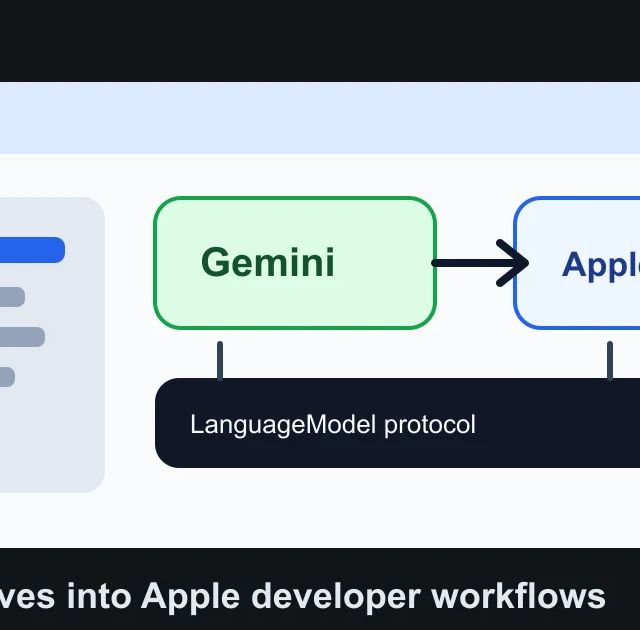
The second caveat is third-party app depth. Siri AI can be powerful inside Apple’s own surfaces, but the bigger productivity claim depends on developers exposing actions, entities, and app context in ways the assistant can safely use. Until that ecosystem work happens, many testers will experience Siri AI as strongest in Apple-controlled workflows.
The third caveat is regional availability. Apple’s June materials said Mac and Apple Vision Pro users in the EU would be able to access Siri AI when set to a supported language, while earlier WWDC coverage showed iPhone and iPad availability remained more constrained by region.
Public testers should watch for reversibility
The most important early behavior is not raw cleverness. It is control.
An assistant that can inspect a screen, understand local context, and act across apps needs to make clear when it is reading, when it is inferring, and when it is about to change something. Good Siri AI behavior should feel like a faster interface. Bad behavior will feel like an invisible automation layer moving through private context.
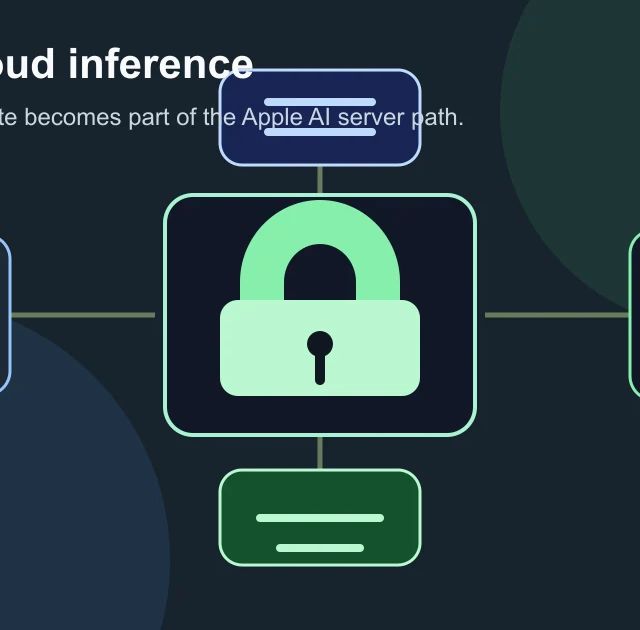
Apple’s privacy argument gives it a real advantage if the implementation holds. The company can put local context closer to the assistant than a browser-first chatbot can. But that also raises the bar: when an assistant is this close to the operating system, small errors become more personal.