GitHub’s July 14 Copilot updates push coding agents deeper into everyday IDE workflows, with a stronger emphasis on security and trust controls.
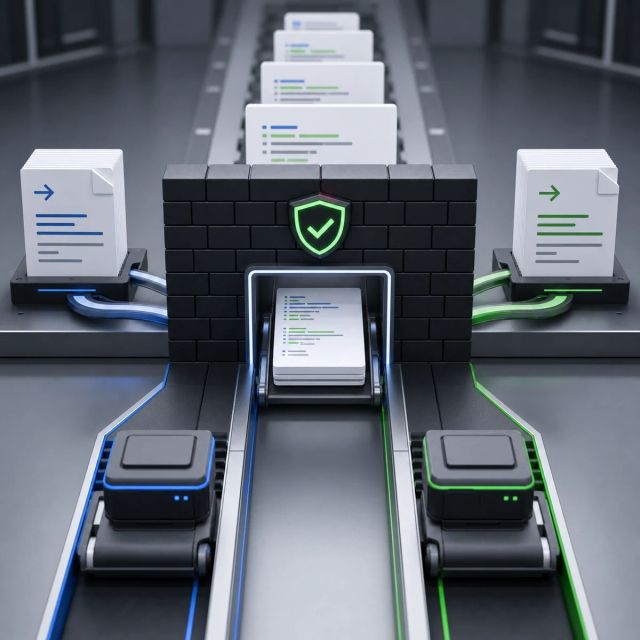
The most direct change is a new /security-review command in the GitHub Copilot app. GitHub says the public-preview command scans in-flight code changes and returns high-confidence security findings with severity, confidence, and suggestions that can be applied and rechecked inside the Copilot workflow.
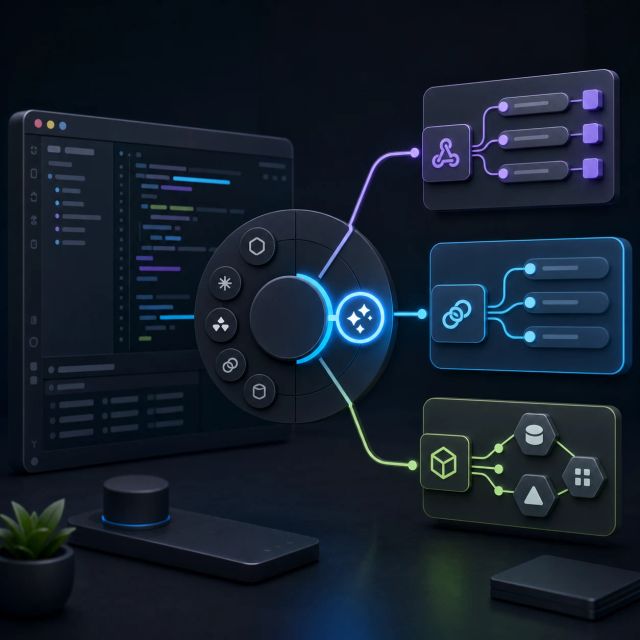
The same day, GitHub published Copilot updates for Visual Studio and JetBrains IDEs. Visual Studio now validates MCP server configuration and asset fingerprints against a trusted baseline before an updated server runs. JetBrains gets expanded bring-your-own-key support, plugin management in customizations, Claude agent provider customizations, local sandboxing support, and a Copilot CLI debugger skill in public preview.
Security review moves before the pull request
GitHub already has CodeQL, code scanning, Dependabot, secret scanning, and agentic autofix. The Copilot app update moves part of that security loop earlier.
GitHub says /security-review is tuned for common, high-impact classes such as injection flaws, cross-site scripting, insecure data handling, path traversal, and weak cryptography. The command is available during public preview to Copilot Free, Pro, Business, and Enterprise users.
That is a narrower claim than “Copilot can prove code is safe.” It is still important. Local agent workflows can generate or edit code quickly, and the cheapest time to find a basic vulnerability is before it becomes a pull request, a merged branch, or an alert that someone has to triage later.
MCP trust becomes an IDE setting
The Visual Studio update is a useful signal for agent governance.
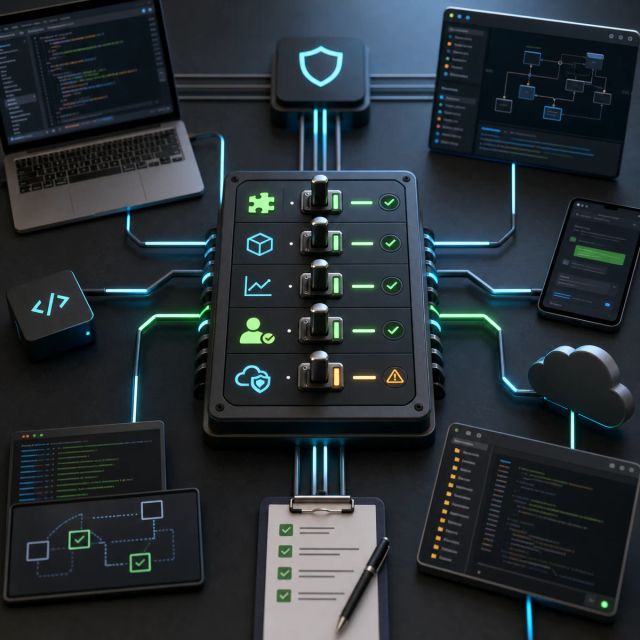
GitHub says Visual Studio compares an MCP server’s configuration and asset fingerprint against a trusted baseline at startup. If anything changed, a trust dialog asks the user to review and approve the change before the server runs. The feature is on by default.
That puts a concrete control around a real risk. MCP servers can expose files, systems, APIs, and internal tools to an agent. If a server changes under the developer, the agent’s tool surface may have changed too. A trust prompt is not a complete security model, but it gives teams a place to notice that the local agent environment is different from the approved one.
The Visual Studio post also says the C++ modernization agent’s MSVC upgrade scenarios are now generally available. That is another sign that Copilot is moving from chat toward task-specific agents inside established development tools.