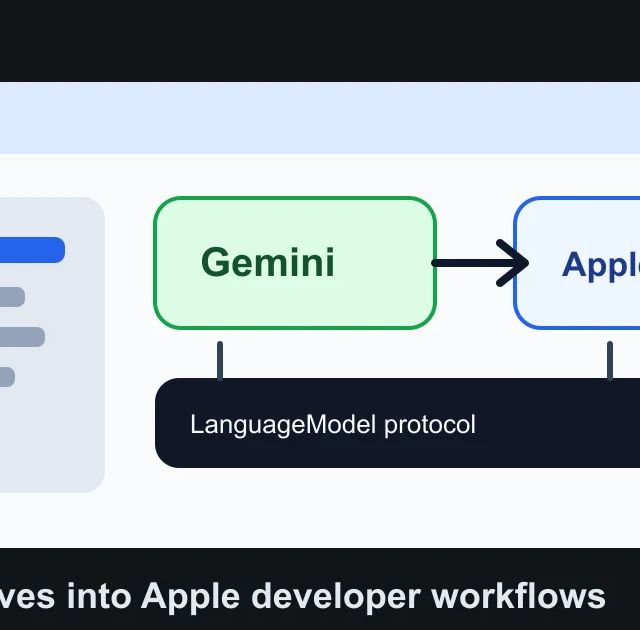
Google’s Gemini API release notes added streaming support for speech generation on June 17, 2026, and set fresh shutdown dates for older image and video generation models on June 15. The changelog is a small post, but it is the kind of update that can break production workflows if teams treat model IDs as permanent.
The new capability is for gemini-3.1-flash-tts-preview: Google says streaming through streamGenerateContent and stream: true in the Interactions API is now supported. The migration work is on the media side. Google says Imagen 4 and Gemini 3 Image model IDs will shut down on August 17, 2026, and several Veo 2.0 and Veo 3.0 model IDs will shut down on June 30, 2026.
The dates are the story
This is not a flashy model launch. It is a calendar item for builders. If your product calls the older Veo IDs, June 30 is the deadline. If it calls the listed Imagen 4 or Gemini 3 Image IDs, August 17 is the deadline.
| Change | Date in Google’s changelog | Affected surface |
|---|---|---|
| TTS streaming added | June 17, 2026 | gemini-3.1-flash-tts-preview |
| Veo model shutdown announced | June 15, 2026 | veo-2.0-generate-001, veo-3.0-generate-001, veo-3.0-fast-generate-001 |
| Imagen/Gemini image shutdown announced | June 15, 2026 | imagen-4.0-generate-001, imagen-4.0-ultra-generate-001, imagen-4.0-fast-generate-001 |
Google’s suggested path for the Veo shutdown is to move to Veo 3.1 preview IDs or the 3.1 GA models available through the Gemini Enterprise Agent Platform. For image generation, Google points developers to the Gemini deprecations page and newer stable or preview endpoints.
Streaming speech changes product feel
TTS streaming matters because speech interfaces are latency-sensitive. A non-streaming voice response can feel slow even when the final audio is high quality. Streaming lets an application begin playback while generation continues.
The changelog does not turn this into a broad voice platform announcement. It names one preview model and two API surfaces. That is enough to matter for developers building assistants, language-learning tools, customer support, or agent interfaces where spoken responses need to arrive quickly.
The preview label is also important. Teams should test quality, latency, fallback behavior, and API shape before treating it as a stable dependency.
Media models are moving faster than integrations
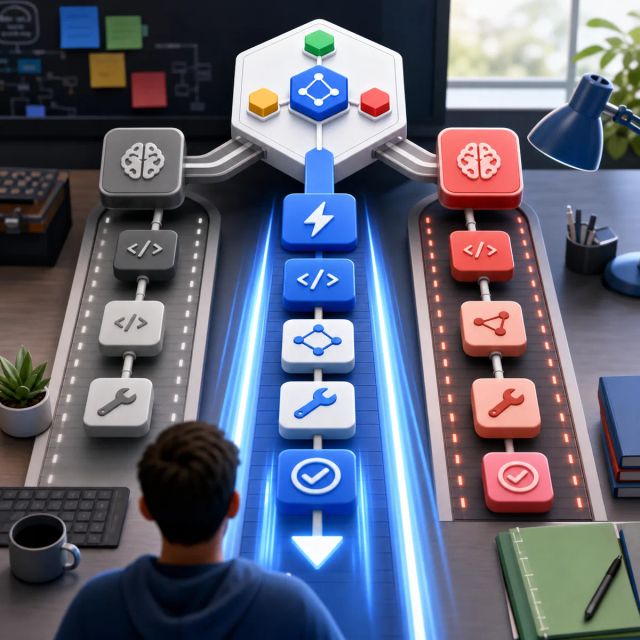
The deprecation pattern is now normal across AI APIs: a model launches, improves, moves from preview to GA or gets replaced, and old model IDs receive shutdown dates. The risk is that applications bind too tightly to one ID and do not keep a migration lane open.
For builders, the basic checklist is short:
Gemini media migration check
- Inventory model IDs. Search production code, prompt configs, worker jobs, and vendor settings for the affected Imagen and Veo IDs.
- Map replacements. Test the newer image endpoints and the Veo 3.1 preview or GA path that fits your account and product.
- Compare outputs. Re-run representative prompts and human-review outputs before switching traffic.
- Add monitoring. Track generation failures, latency, content-policy changes, and cost after the migration.
The point is not only to avoid a shutdown. New media models can change style, motion, prompt sensitivity, safety filters, and output timing. A migration that compiles can still change the product.