GitHub made Agent Finder available for Copilot on June 17, 2026, giving users a way to search for tools, MCP servers, skills, canvases, agents, and other resources instead of wiring every capability into an agent ahead of time. The feature implements Agentic Resource Discovery, or ARD, a new open discovery protocol backed by a working group that includes Microsoft, Google, Hugging Face, GoDaddy, and others.
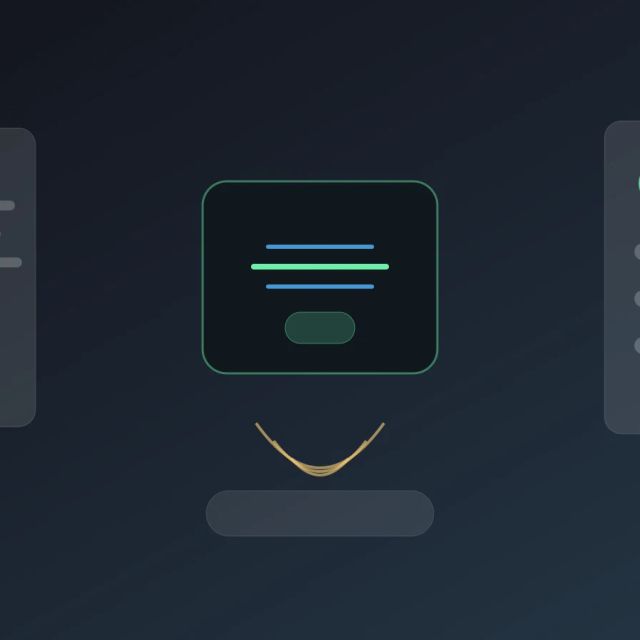
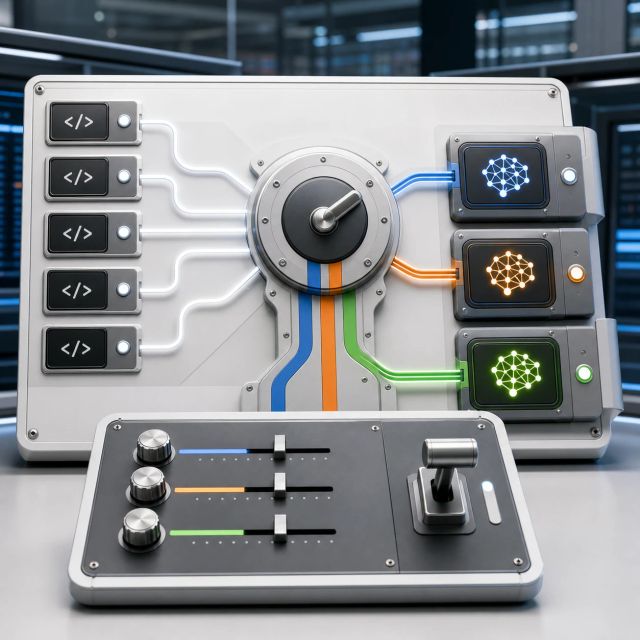
The practical change is simple: an agent can ask what capability is available for a task before it invokes anything. That is different from the current pattern, where a developer pre-installs tools, loads long tool descriptions into context, and hopes the model picks the right one.
Discovery is becoming its own layer
MCP tells an agent how to call a tool. A2A tells agents how to talk to other agents. Skills give agents structured instructions. Those protocols assume the user or developer already knows which resource should be available.
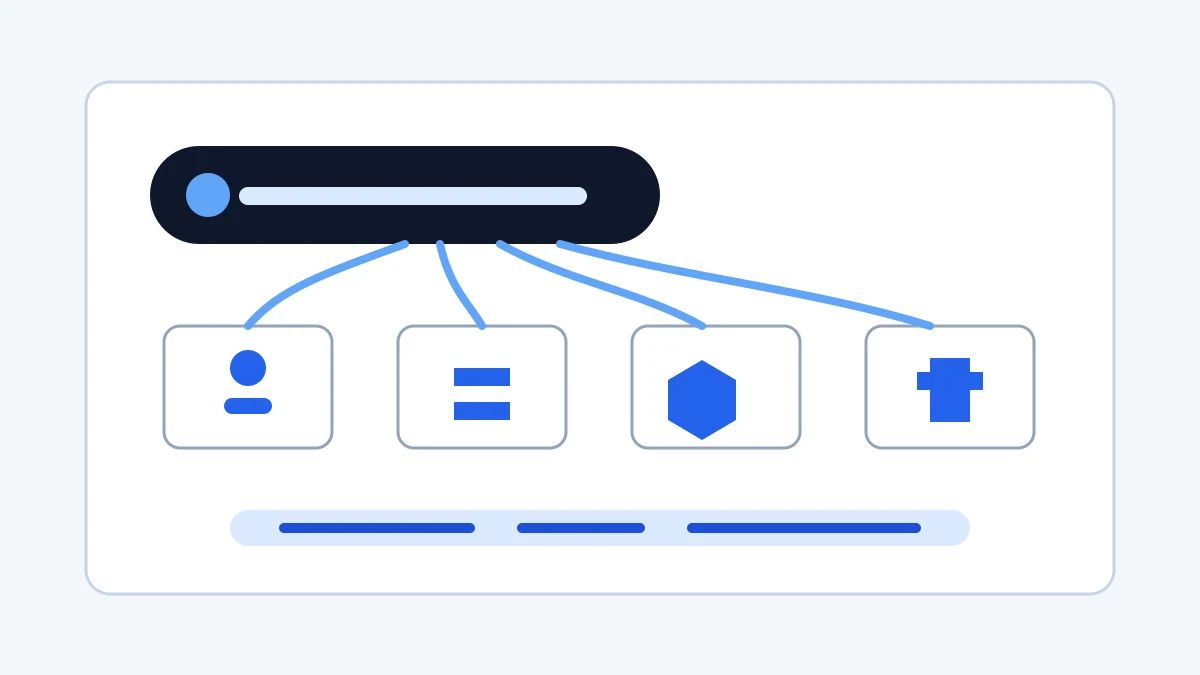
ARD fills the step before that. The specification site describes it as an open discovery protocol that lets an AI client ask what is available for a task, then lets a discovery service answer with matching resources. It sits before invocation. Once the resource is found, the resource still runs through its own native mechanism.
That separation matters. A company can run a private registry for internal tools. A public catalog can index broadly useful resources. An agent client can search by intent, then decide what to load, ask permission for, or ignore.
GitHub’s version is deliberately governed
GitHub’s Agent Finder is not framed as an automatic plugin installer. GitHub says it can point at a curated public catalog or a private registry, returns ranked matches, and respects managed settings. The company also says Agent Finder does not auto-install resources. The user stays in control of what actually gets connected.
That is the right product boundary for enterprise use. Discovery without governance becomes another supply-chain surface. A coding agent that can search the world for capabilities also needs to know which publisher is trusted, which registry is in scope, and which resources are allowed by policy.
The site-level read: GitHub is turning Copilot into an agent operating surface, not just a chat box in an editor. Agentic Workflows brought agents into Actions. Agent Finder now addresses the resource-selection problem around those agents.
Hugging Face shows the open-model version
Hugging Face’s ARD post makes the same point from the open ecosystem side. It says the current install-first model does not scale to thousands of ad-hoc capabilities, and that dumping every tool description into the context window is limited by context budget and weak metadata.
Its Discover Tool exposes search across Spaces, Agent Skills, and MCP servers. Hugging Face says it supports a static ai-catalog.json manifest and a dynamic POST /search registry API. The response can return different media types, including skills and MCP server entries.
That is not just plumbing. It changes how an agent could use the Hub. Instead of a user remembering which Space, MCP server, or skill to install, a client can search for “generate an image” or “fine tune a sentence transformer” and retrieve resources that match the task.
The hard part is trust
Discovery is useful only if agents can trust what they find. The ARD specification page is explicit that ARD is not a central catalog. Many discovery services can exist, each with its own ranking, access, and trust policies.
That is both the strength and the risk. A private registry can make discovery usable inside a company without exposing internal tools to the public web. But a public registry needs publisher identity, metadata quality, compliance signals, and a clear permission step before an agent gets to act.
GitHub’s no-auto-install rule is the most important product detail in the announcement. A resource can be found without being granted. That distinction should stay central as ARD moves from draft standard to client behavior.