OpenAI began rolling out a new ChatGPT memory system on June 4, 2026. The company calls the architecture Dreaming V3, and says it is available first to Plus and Pro users in the US. Additional countries and Free and Go users are supposed to follow over the coming weeks.
The important part is not that ChatGPT can remember more facts. It is that OpenAI is trying to turn memory into a continuously refreshed personalization layer: one that carries context across conversations, follows preferences, and drops stale details as time passes.
Memory is becoming product infrastructure
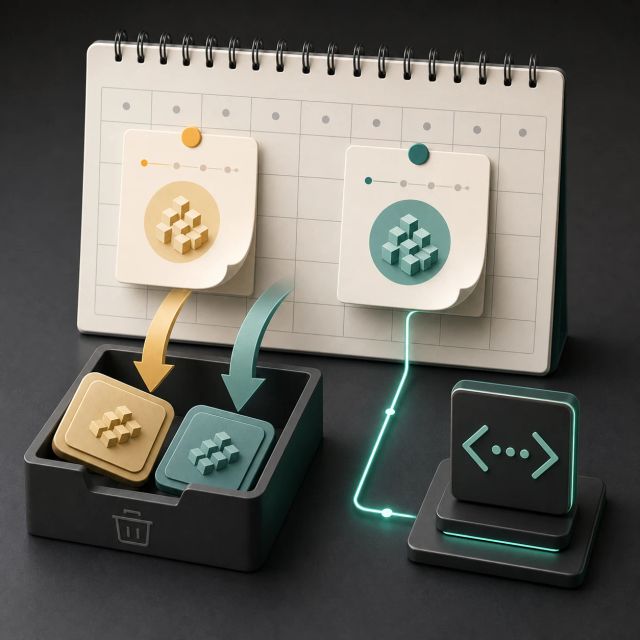
Saved memories launched in April 2024 as a more explicit feature. You could ask ChatGPT to remember a preference or fact, and it would keep that note for future chats. OpenAI says the first version of dreaming arrived in April 2025, letting ChatGPT use chat history in the background to curate a broader memory state.
Dreaming V3 is the next step. OpenAI says it synthesizes memory for freshness, continuity, and relevance at much larger scale. The product change is visible in a memory summary page where users can see highlights of what ChatGPT thinks it knows, correct details, dismiss them, or add instructions about when to bring topics up.
That shifts memory from a notepad into a product surface. A user should not have to guess what the model is carrying forward. If memory is going to shape answers across months of work, the review page becomes as important as the memory itself.
The 5x number explains the free rollout
OpenAI says dreaming-based memory had already been available to Plus and Pro users, but the cost profile was not ready for Free users. The company now says recent improvements cut the compute needed to serve dreaming to Free users by about 5x. That is the number that makes the rollout a platform story rather than a settings update.
Personalization is expensive because it has to run outside the single chat turn. The system has to read prior context, decide what still matters, update a memory state, and avoid dragging old facts into new answers. Doing that for paid users is one problem. Doing it for the free base is a different scale.
OpenAI also says the same efficiency work will increase memory capacity for Plus and Pro users. The capacity claim is less concrete than the compute claim. Treat it as OpenAI’s direction, with no measured new quota attached.
The control model is still complicated
The Memory FAQ is where the practical caveats live. OpenAI says users can turn saved memories on or off under Settings > Personalization, but turning saved memory off does not delete what was already remembered. Deleting a chat also does not remove saved memory from that conversation. To fully remove something, a user may need to delete the saved memory and the original chat where it was shared.
Reference chat history has a different behavior. If it is turned on, ChatGPT can use past conversations to recall useful information. If it is turned off, OpenAI says the information ChatGPT remembered from past chats will be deleted from its systems within 30 days. The FAQ also says Reference Chat History is not yet available to Enterprise and Edu customers.
That distinction matters. A user may think “memory” is one switch. In practice, saved memories, referenced chat history, files, connected apps, and safety-relevant context can sit in different buckets. OpenAI says users are in control, but that control requires understanding where the information lives.