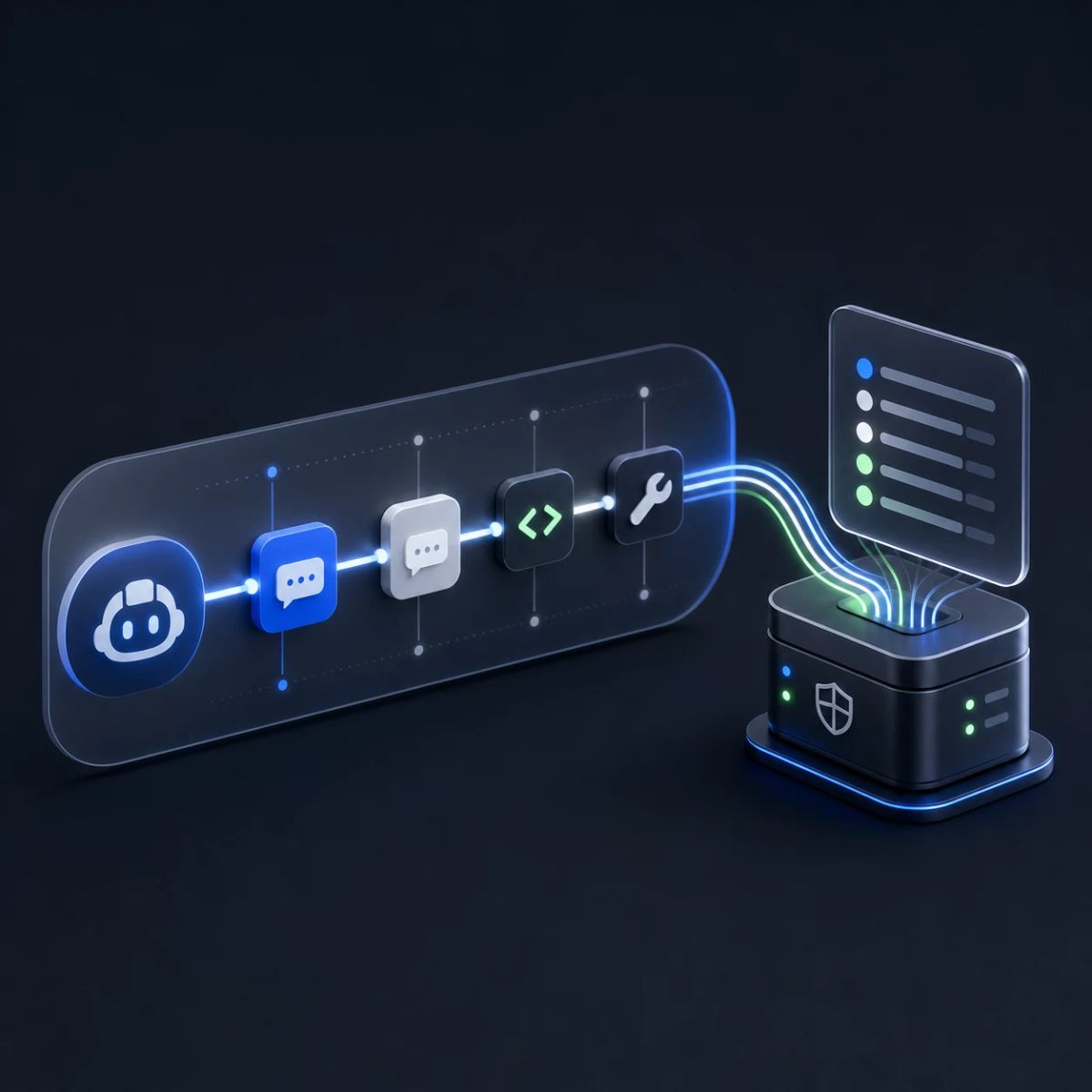
GitHub opened Copilot agent session streaming in public preview on July 2 for GitHub Enterprise Cloud customers with enterprise managed users.
The preview gives enterprises access to Copilot agent session data across GitHub cloud agents on github.com and data-resident ghe.com, Copilot CLI, Visual Studio Code, Visual Studio, and partner IDEs including JetBrains and Eclipse. GitHub says the data includes session activity such as prompts, responses, and tool calls.
This is the governance half of agentic coding. Once an assistant can inspect code, run tools, call models, and create changes across multiple clients, enterprises need more than a usage chart. They need a record of what the agent did.
Session data closes a visible audit gap
GitHub’s own Copilot audit-log documentation says the enterprise audit log records changes to Copilot plans, settings, licenses, and agent activity on the GitHub website. It also says the audit log does not include client session data such as prompts sent locally to Copilot.
The new preview changes that boundary for eligible enterprises. GitHub says companies can stream session data to an event collector or SIEM from audit-log settings. Microsoft Purview is also available as a supported streaming endpoint in public preview.
There is a REST path as well. Enterprise owners can retrieve the last 48 hours of session data on demand through GET /enterprises/{enterprise}/copilot/usage-records.
That 48-hour pull window matters. The streaming path looks like the durable compliance route. The REST API is useful for checks, incident response, and backfill, but it is not a substitute for long-term retention if an organization needs audit history.
Agent governance is becoming operational
This release lands one day after GitHub posted a cluster of Copilot changes around model routing, AI-credit limits, browser tools, vision, and enterprise-managed defaults.
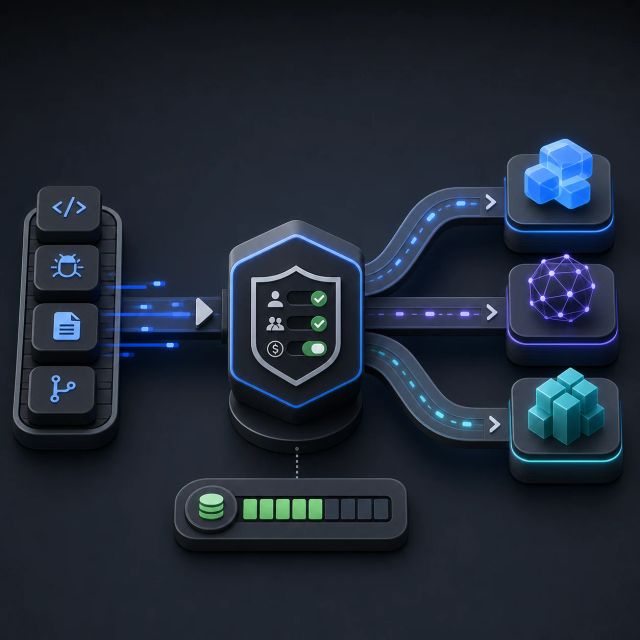
The pattern is coherent. GitHub is adding more agent capability and more enterprise control at the same time. Model routing lets organizations govern what models are used. Credit limits put a session boundary around spend. Session streaming gives security and platform teams a record of activity.
That does not remove the need for policy. It makes policy enforceable and inspectable. If a developer uses a browser tool, a cloud agent, or an IDE agent to touch sensitive code, the organization now has a path to collect evidence across the major Copilot surfaces.
The preview is narrow by design
The availability line is important. This is not every Copilot user. GitHub names GitHub Enterprise Cloud customers with enterprise managed users.
That scope fits the feature. Session records can include prompts, responses, tool calls, and repository context. The buyers most likely to turn this on first are regulated companies, security-conscious engineering organizations, and large platform teams already sending audit logs into a SIEM.