GitHub has added two controls that make Copilot cloud agent easier to run as repository automation: comment triggers and per-task reasoning-level selection.
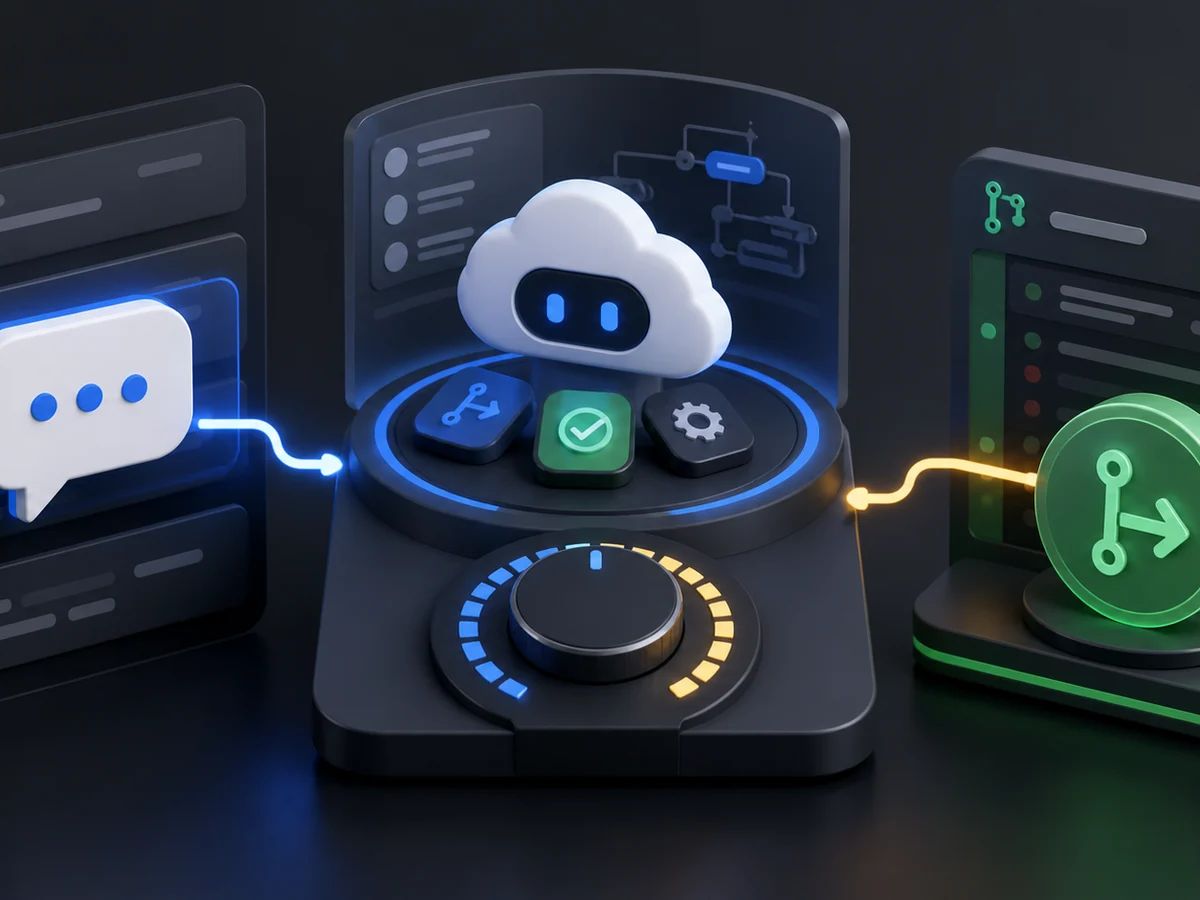
The August 3 changelog says Copilot automations can now run when an issue comment or pull request comment is created. GitHub names use cases such as generating documentation from a pull request comment, running security checks when someone comments security review needed, and triaging issues from comment instructions.
In a second same-day changelog, GitHub says users can set the reasoning level when delegating a task to Copilot cloud agent for models that support it. The company says higher reasoning can improve answers on complex tasks but may use more credits.
Comment triggers make agents part of repository conversation
This is a workflow change more than a model change. A comment-triggered automation lets teams keep the request inside the issue or pull request where the context already lives.
That is useful for documentation updates, review follow-ups, bug reproduction, migration chores, and maintenance tasks that are too structured for a one-off chat but too irregular for a fixed CI job. It also means organizations need clearer rules about who can trigger an agent and what the agent is allowed to touch.
GitHub notes that Copilot cloud agent automations are available on paid Copilot plans and that Business and Enterprise users need an administrator to enable the Copilot cloud agent policy.
Reasoning level turns cost into a task setting
The reasoning-level control makes model spend more explicit. A small documentation touch-up should not need the same reasoning budget as a repository-wide refactor or a difficult debugging session.
That creates a better operating model for teams. Developers can pick stronger reasoning for hard tasks, while platform owners can watch whether higher-reasoning agent runs actually produce better merged changes, fewer review cycles, or lower support burden.
The risk is false precision. A reasoning dial is useful only if teams measure outcomes. Otherwise it becomes another knob that users turn up when they are uncertain.