Google DeepMind CEO Demis Hassabis is calling for a US-led standards body to test frontier AI models before release.
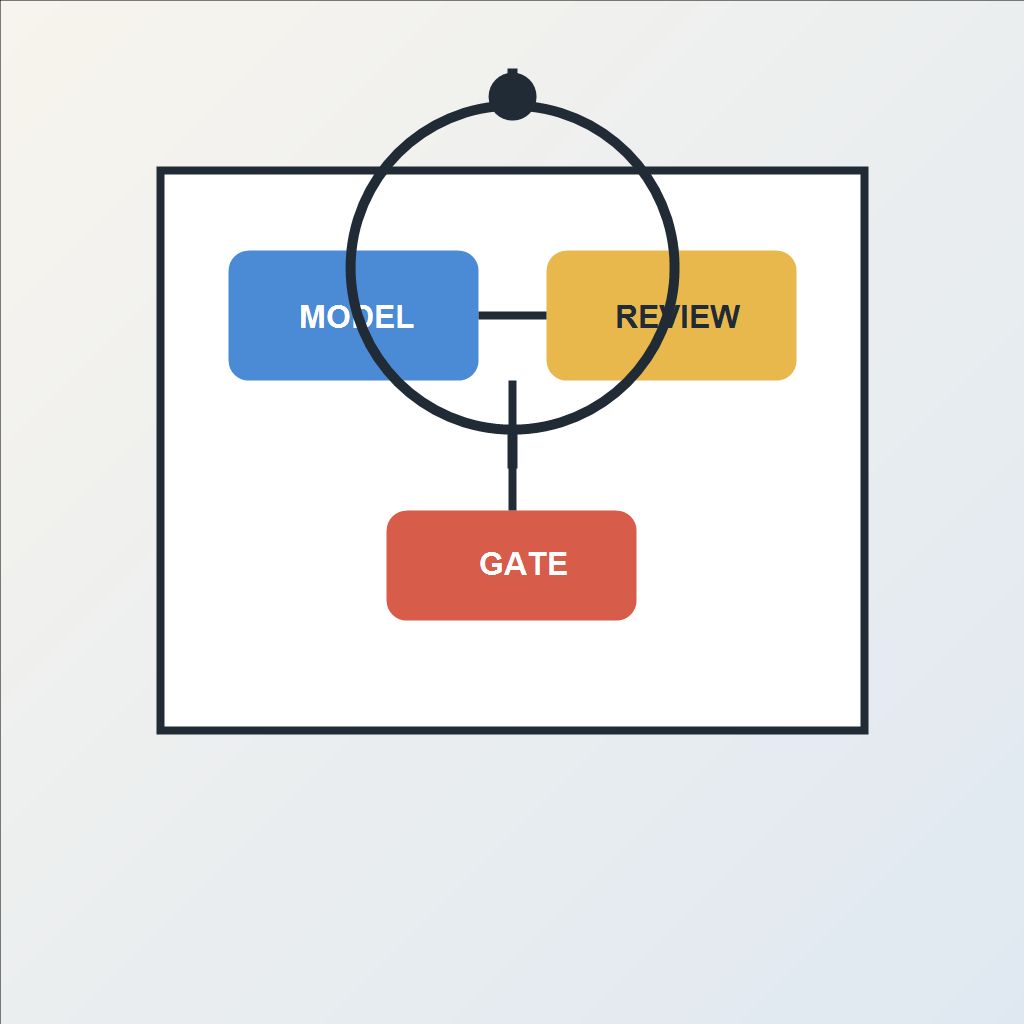
Axios, The Verge, and the Financial Times all reported the proposal on July 14. The core idea is a FINRA-style body for frontier AI: industry-funded, staffed with technical experts, accountable to the US government, and able to evaluate both open and closed systems for high-risk capabilities.
The proposal is not policy. It is a concrete governance ask from the leader of Google’s frontier AI lab at a moment when model releases, export controls, and national-security reviews are becoming part of the product cycle.
The proposal turns safety review into release infrastructure
Hassabis’s proposal matters because it treats frontier-model testing as infrastructure, not advice.
The reported body would test advanced models for risks that include cybersecurity, biological, nuclear, and agentic capabilities. Axios also reports that Hassabis has been briefing US officials, AI labs, and European officials, and wants the body operating before the end of the year.
That is a more specific position than a general call for responsible AI. It says advanced models should face a structured review process before deployment, and that the US should initiate the framework because of its technical and economic position.
The open-model detail is important. A body that only reviews closed frontier launches would miss a growing part of the risk and competition story. At the same time, any review process that covers open systems will immediately run into harder questions about jurisdiction, publication, export, and who gets to decide when weights or capabilities are too risky to release.
The trade-off is legitimacy
The most difficult part is not designing another benchmark. It is legitimacy.
An industry-funded body can move faster and attract technical talent. It can also look captured by the same companies it is meant to review. A US-led body can start from the country where much of the frontier-model infrastructure sits. It can also be viewed outside the US as an access-control mechanism wrapped in safety language.
That tension is already visible in AI policy. Governments want stronger assurance before powerful models spread. Labs want predictable review processes rather than sudden interventions. Open-source communities do not want closed labs and governments to define frontier risk in ways that lock out independent builders.
Hassabis’s proposal is best read inside that conflict. It is a bid to replace improvised government action with a regular testing process. Whether that process is trusted is a separate question.