Google announced Genkit Agents on July 1 as a preview API for building conversational, full-stack AI features without rebuilding the same agent plumbing in every app.
The Agents API is in preview for TypeScript and Go. Google says Genkit itself is an open-source framework for full-stack AI apps across TypeScript, Go, Dart, and Python, but the new agent abstraction starts with TypeScript and Go and can introduce breaking changes in minor releases.
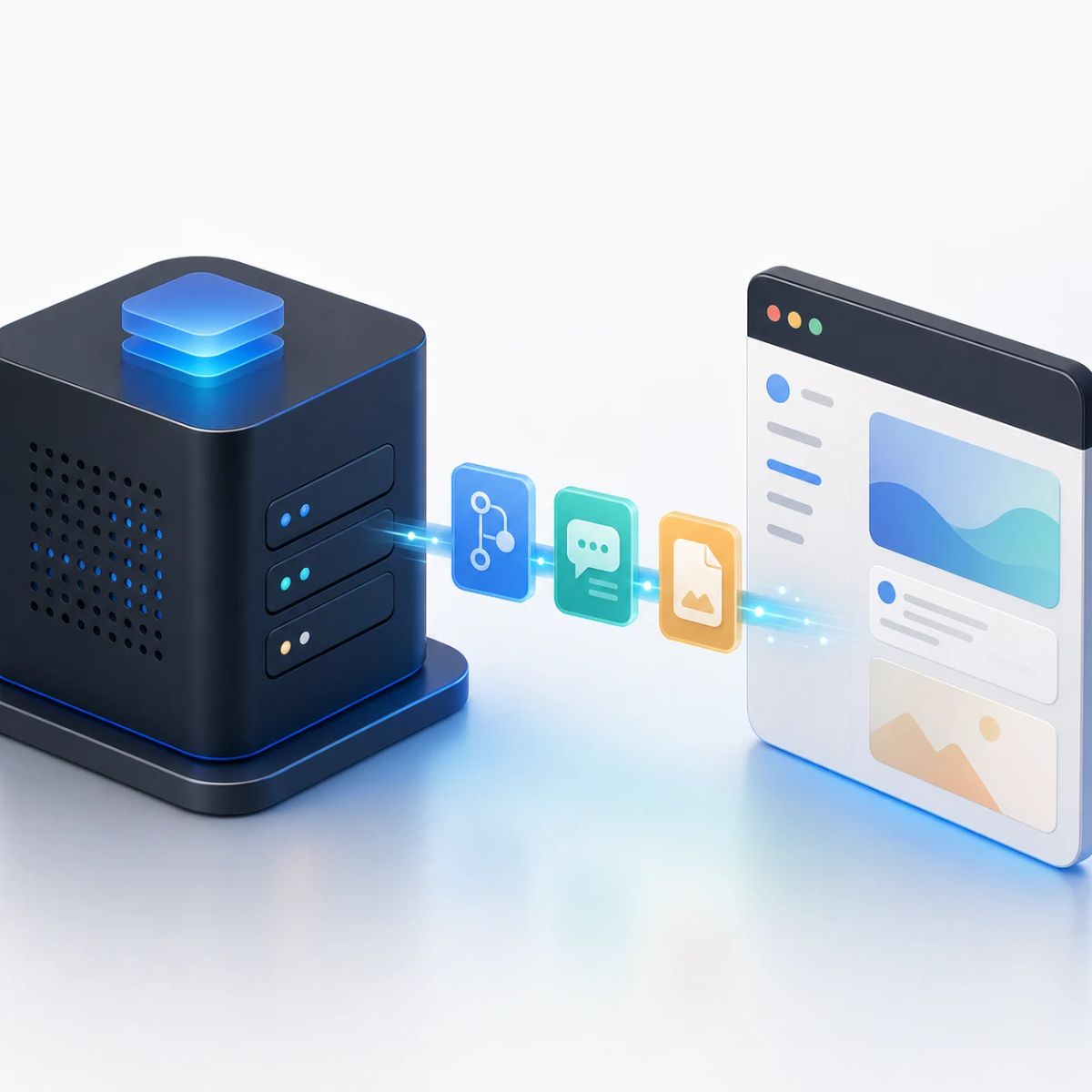
The useful part is the application boundary. A developer defines the agent on the server, adds tools, state, and a session store as needed, then drives it from the frontend with the same chat() interface whether the agent runs in process or behind an HTTP endpoint.
Genkit is solving plumbing, not model quality
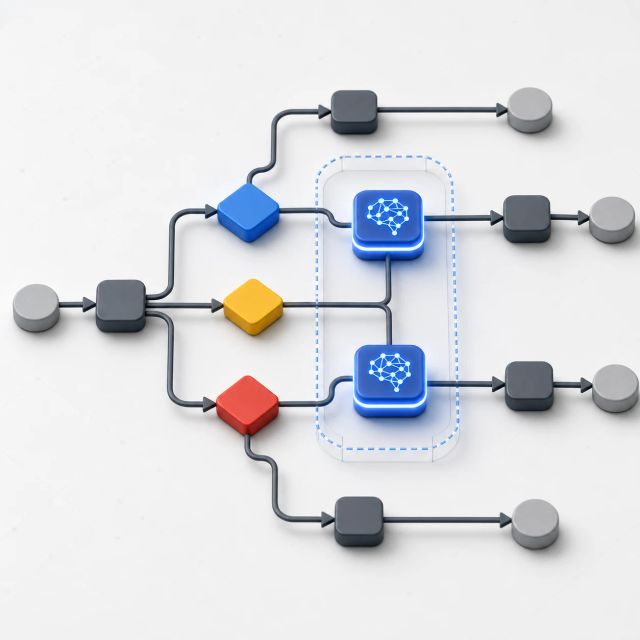
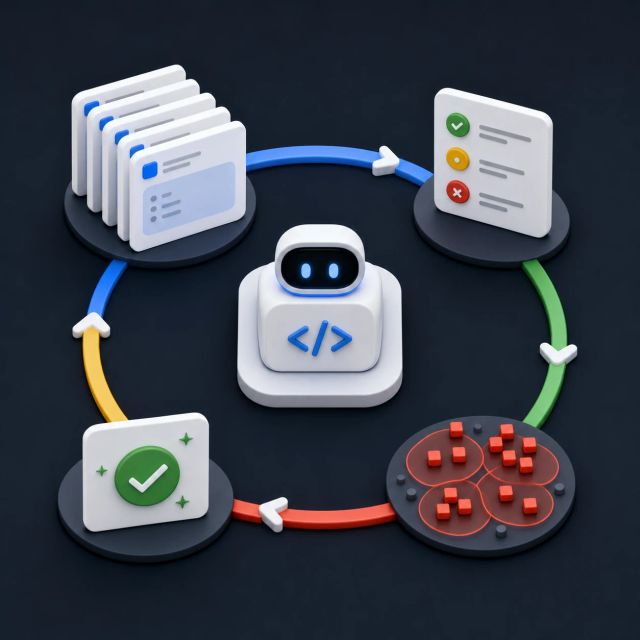
Google’s announcement lists the repeated work behind conversational AI: message history, tool loops, streaming, persistence, and a frontend protocol. Those are not the distinctive parts of most products, but every product needs them if the agent is more than a single generate() call.
Genkit Agents packages that work into a shared abstraction. The server owns the agent definition. The client talks to it through a chat interface. Remote agents can be driven from the frontend with remoteAgent().
That is a different story from a model launch. The value is not that the assistant suddenly reasons better. The value is that developers get a repeatable contract for multi-turn, tool-using, stateful features inside normal applications.
The Developer UI is part of the product
Google also made agents first-class in the Genkit Developer UI. The Agent Runner can start conversations, send turns, watch streamed output and state updates, drive tool interrupts, and inspect snapshots.
That matters because debugging conversational systems is messy. If an app stores state, streams partial output, calls tools, and can be interrupted, a developer needs to reproduce the conversation and inspect the state transitions. A framework that hides plumbing but gives no inspection path would move complexity out of sight instead of reducing it.
The preview caveat still matters. Teams should expect API churn while the abstraction settles.
Genkit and ADK sit at different layers
Google’s Genkit post makes the boundary with ADK explicit. Genkit agents are application primitives for user-facing full-stack apps. ADK is the heavier choice when multi-agent orchestration is the whole system or when a managed runtime is needed.
That distinction is useful. Not every product feature needs a full agent platform. A support assistant, app copilot, onboarding helper, or workflow companion may need state, tools, streaming, and a frontend contract. It may not need complex agent topologies or a managed session runtime.