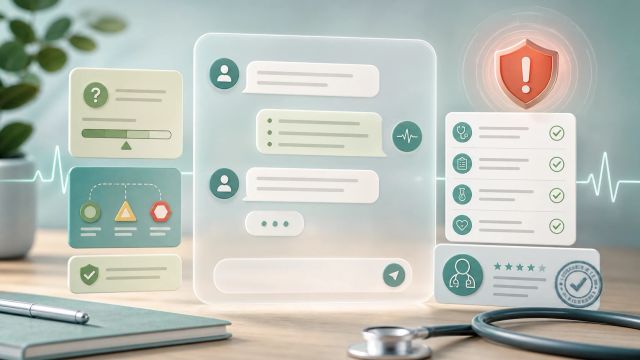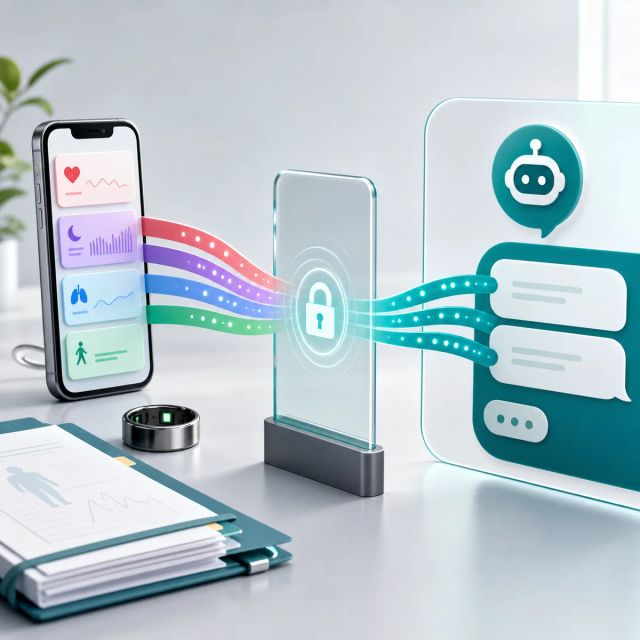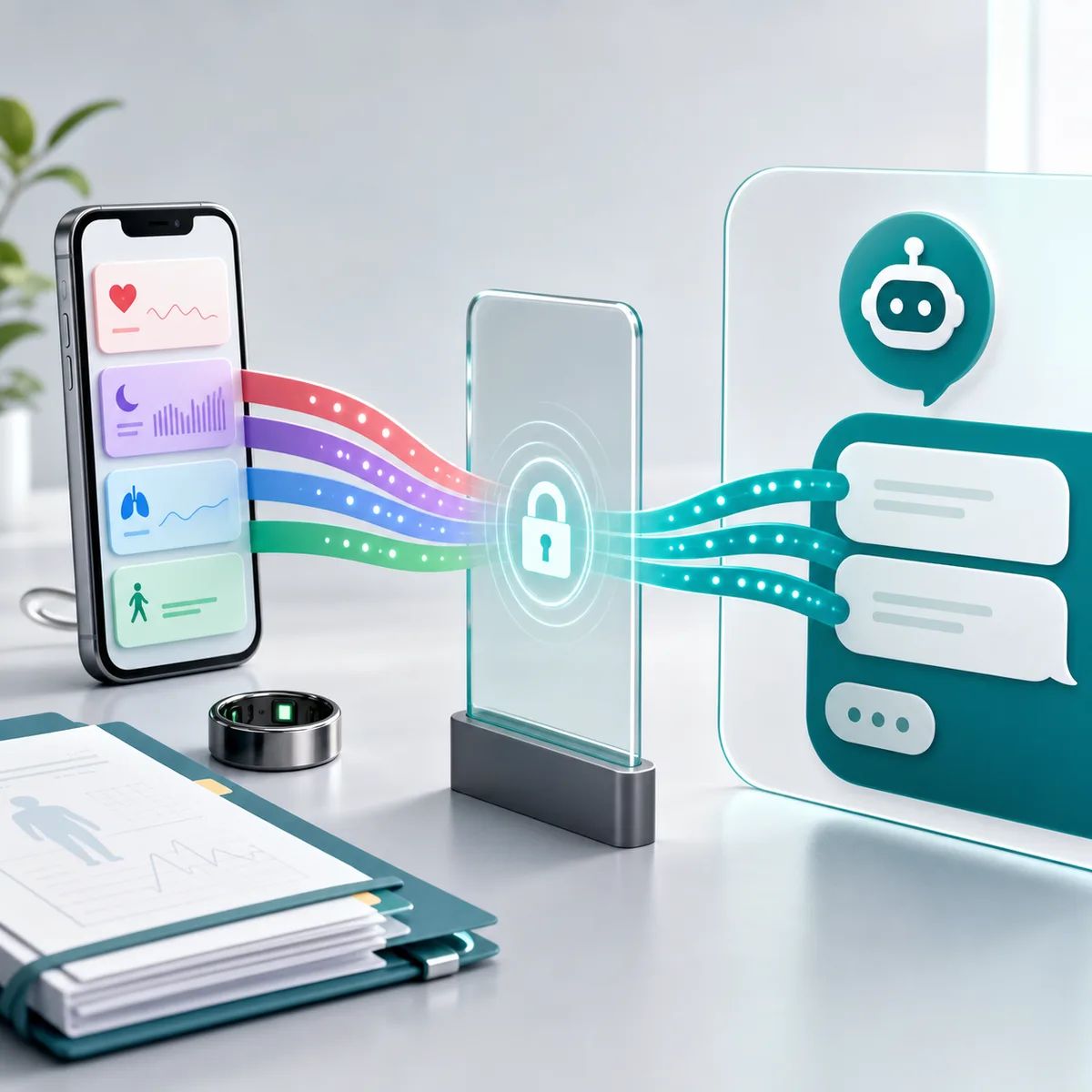
OpenAI is adding healthcare-specific connectors to ChatGPT for Healthcare, including Epic electronic health record context and a Healthcare Public Data plugin.
The announcement is important because it moves the product closer to the systems healthcare teams already rely on. OpenAI is not only pitching a model that can answer medical questions. It is trying to make ChatGPT a governed workspace for authorized patient context, public medical data, research, operations, and administrative work.
OpenAI says healthcare organizations can connect Epic environments to ChatGPT so clinicians can review authorized patient information, identify recent changes, prepare for appointments, and trace summaries back to chart information.
EHR context is the center of the update
OpenAI describes two complementary experiences. In one, authorized patient information from a supported EHR can be brought into ChatGPT for review and synthesis. In the other, ChatGPT can appear directly inside a supported EHR workflow so AI-assisted work happens without leaving the patient chart.
The examples are practical: what changed since the last visit, which labs need review, whether medications changed, and which referrals or unresolved issues remain open.
That is exactly where healthcare AI becomes useful and risky at the same time. The value is not generic medical knowledge. It is patient-specific synthesis across notes, labs, medications, specialists, and follow-up work. The risk is that any wrong summary, missing context, stale record, or unclear citation can affect care.
OpenAI says ChatGPT points back to supporting chart information. That citation behavior will matter as much as the generated summary.
Public healthcare data gets structured access
OpenAI also introduced the Healthcare Public Data plugin. It brings together direct access to official sources including ClinicalTrials.gov, CMS Coverage, RxNorm, DailyMed, and PubMed.
The point is not just search. OpenAI says teams can work with records, fields, identifiers, and versions from authoritative sources. That makes the plugin more relevant for tasks such as comparing trial eligibility, checking medication labels, reviewing coverage policy versions, and identifying provider records.
For research and operations teams, this could turn scattered public datasets into a source-backed work surface. For compliance teams, the key question will be whether every answer can be traced to the exact source, version, and permission context used.
OpenAI is publishing healthcare evaluations
OpenAI says it works with hundreds of physicians across 60 countries, 49 languages, and 26 medical specialties to evaluate health responses in ChatGPT. The company says physicians have reviewed more than 700,000 model responses.
For connected EHR context, OpenAI says physicians evaluated responses across 27 clinical use cases, including pre-visit review, clinical timelines, medication review, and handoff summaries. Across 4,363 ratings, the company says 99.1% of responses were rated safe.
In a separate evaluation of nuanced clinical questions based on large U.S. healthcare datasets, OpenAI says more than 93% of responses for each of five connected data sources were rated as having good or better accuracy.
Those results are useful, but they do not remove the need for local validation. Hospitals and clinics will still need to test against their workflows, documentation habits, patient populations, governance rules, and escalation thresholds.
Eligibility and controls limit the rollout
This is not a consumer medical feature. OpenAI says ChatGPT for Healthcare gives clinical, research, and administrative teams a governed workspace with controls such as role-based access, single sign-on, and audit logs.
With an applicable Business Associate Agreement, OpenAI says customers can use ChatGPT Work, Codex, apps, and plugins in the same workspace to support HIPAA-compliant workflows.
Existing ChatGPT for Healthcare customers can ask workspace administrators to enable the EHR integration and Healthcare Public Data plugin. ChatGPT Enterprise customers need to confirm eligibility and configuration with OpenAI. Individual U.S. ChatGPT for Clinicians users may be eligible for the public-data plugin, but OpenAI says the EHR integration is not available for individual accounts.