OpenAI published a Preply customer story on June 12, 2026 that gives a concrete look at AI adoption inside a recurring education product. Preply’s Lesson Insights feature uses OpenAI APIs to turn lesson transcripts into summaries, grammar feedback, vocabulary notes, pronunciation guidance, and recommended next steps for language learners.
The adoption numbers are the story. OpenAI says 75% of Preply’s English-language learners actively use Lesson Insights, more than 70% of tutors use the feature, and about 75% of active learners keep engaging with it more than a year after adoption. Preply also reports a 4.7 out of 5 satisfaction rating from more than 300,000 ratings collected on the platform.
The feature starts with the transcript
Preply did not bolt a generic chatbot onto a tutoring marketplace. The workflow starts inside the lesson itself. With learner consent, Preply records and transcribes a session in the Preply Classroom, then schedules insight generation near the end of the lesson so the learner and tutor can review the output together.
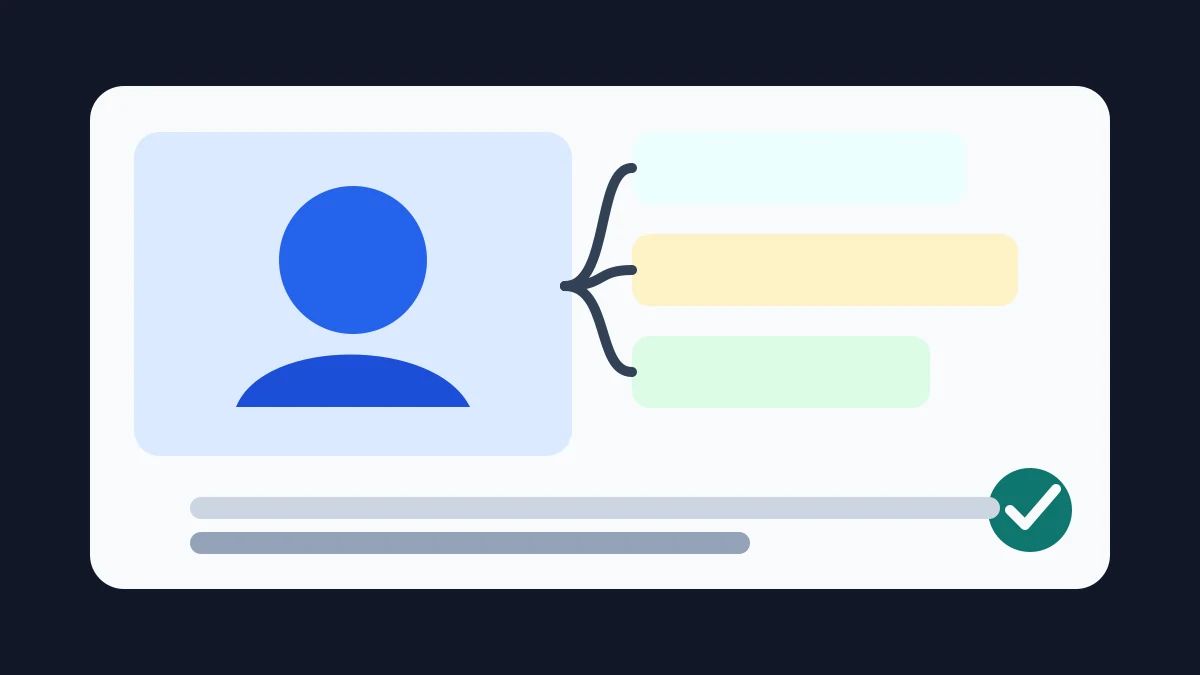
That timing matters. The AI output is tied to a specific human exchange, not a generic curriculum unit. OpenAI says the report includes a summary of lesson topics, grammar corrections, vocabulary highlights, pronunciation feedback, and recommended next steps. Those insights then feed Preply’s self-learning exercise engine, which generates personalized homework.
The practical read is simple: transcript-based tutoring gives the model a rich source of context. The product challenge is turning that context into something learners and tutors trust enough to use repeatedly.
The retention signal is stronger than the launch
The most useful number is not the launch date. It is Preply’s claim that about 75% of active learners continue engaging with Lesson Insights more than a year after adoption. Novelty can drive short-term AI usage. A year-long engagement signal suggests the feature is becoming part of the lesson loop.
Those are company-reported figures, so they should be read as product metrics rather than independent learning outcomes. They do not prove that learners become fluent faster. They do show that learners and tutors are using the AI layer at meaningful scale inside an existing paid education workflow.
Tutors remain central to the product
The Preply case is notable because the AI feature depends on the human lesson instead of replacing it. OpenAI’s write-up frames Lesson Insights as administrative and personalization support: it captures what happened, turns it into feedback, and helps tutors and learners decide what to practice next.
That is a narrower and more credible claim than “AI tutor replaces teacher.” Language learning depends on motivation, cultural context, confidence, and conversation. Preply’s bet is that AI can handle repetitive synthesis work while the tutor keeps the relationship and instruction loop.
The risk is that automated feedback can feel authoritative even when it misses nuance. Preply’s workflow partly addresses that by putting the report back into the shared tutor-learner context. The tutor can correct, explain, or ignore the generated guidance rather than leaving the learner alone with an opaque assessment.
Codex is part of the operating story
OpenAI’s post also says Preply has adopted ChatGPT Enterprise across the company and that weekly active usage among employees rose from 60% to 95%. On the engineering side, OpenAI says around 94% of Preply engineers use Codex and AI coding assistants for code generation, pull-request review, debugging, and development workflows.
That makes the story broader than one customer-facing feature. Preply is using OpenAI in the product, inside operations, and in software development. The important question is whether those layers reinforce each other: faster product iteration, more targeted lesson experiences, and enough internal usage to make AI a normal part of how the company works.