PrismML announcement graphic for its 1-bit Bonsai smart glasses model
+ AI News

PrismML's glasses demo fits a larger model in less memory

A 1-bit Bonsai model ran locally on Snapdragon AR1 Gen 1 hardware. The published memory and speed tests show a hardware gain, but no shipping glasses or battery results.

PrismML says it ran a 2-billion-parameter vision and language model locally on smart glasses hardware built around Qualcomm’s Snapdragon AR1 Gen 1 platform. The company demonstrated the model at Snapdragon Summit. TechCrunch reports that no glasses using it have been announced for sale.

The demo uses a 1.7-billion-parameter language model with 1-bit weights and a 0.3-billion-parameter vision encoder at 4-bit precision. PrismML says this setup can interpret what a wearer sees and answer questions on the device. That is a useful direction for glasses, where memory, heat, and battery capacity limit how much processing can happen locally.

What the published numbers measure

PrismML’s announcement includes details of Qualcomm’s September test. On a Snapdragon AR1 Gen 1 configuration with 4 GB of memory and a 1,024-token context, the 1-bit language model used 0.43 GB for its weights. A corresponding 4-bit version used 1.66 GB. That is a 74% reduction in weight memory, or about 3.8 times less.

Qualcomm also measured 15.36 generated tokens per second for the 1-bit model, compared with 7.44 for the 4-bit version on the same platform. The speed difference was about twofold in that test. PrismML separately says its benchmark scores are comparable to a 4-bit Qwen 3 model of the same language-model size, based on its own evaluations.

These results describe a specific model, compiler, chip configuration, and test method. The release does not give battery life, heat, or response quality in a finished pair of glasses. It also does not establish how well the model handles a busy camera scene or a longer conversation beyond the tested context.

Sources

The AI Feed Desk

The AI Feed Desk

Editorial desk

The AI Feed Desk tracks AI provider updates, model releases, agent tooling, and enterprise adoption, turning fast-moving announcements into source-linked context for builders and operators.

Noticed a typo, incorrect information, or translation error?

Tell us so we can fix it.

Help Improve This Article

Related Articles

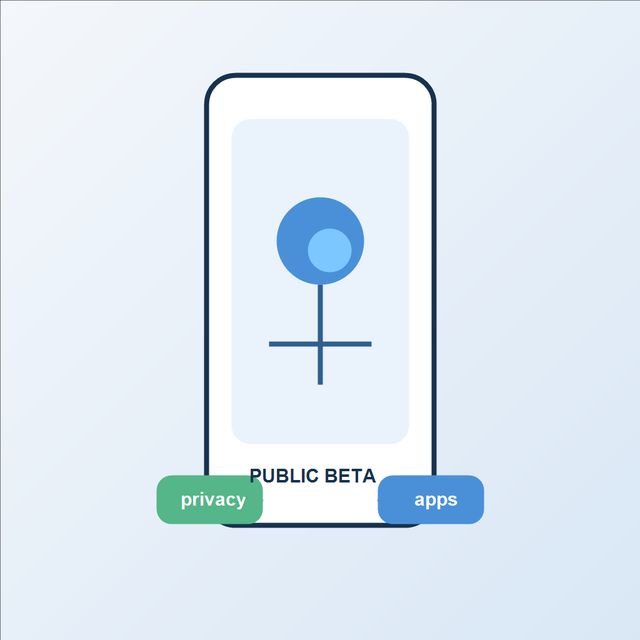
A phone-shaped beta test lane routes a Siri AI signal through privacy and app permission checkpoints

Apple opens the public beta path for Siri AI

Apple's iOS 27 public beta path puts Siri AI in front of testers, shifting the story from WWDC promise to device, region, and workflow reality.

The AI Feed Desk

By The AI Feed Desk

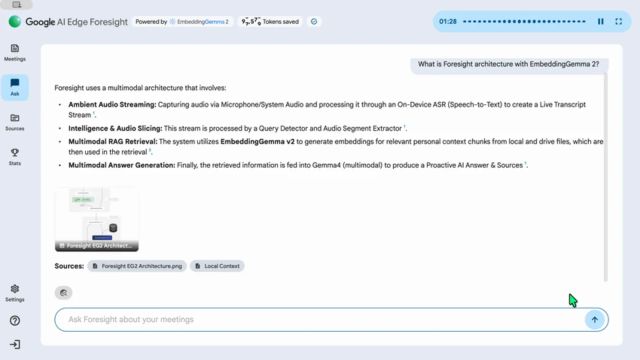
Google AI Edge Foresight answering a question about its architecture, with source citations below the answer

Google releases AI Edge Foresight, an offline meeting note-taker

Google's Mac app combines meeting transcripts with local documents. Test its offline answers and citations before replacing your current note-taker.

The AI Feed Desk

By The AI Feed Desk

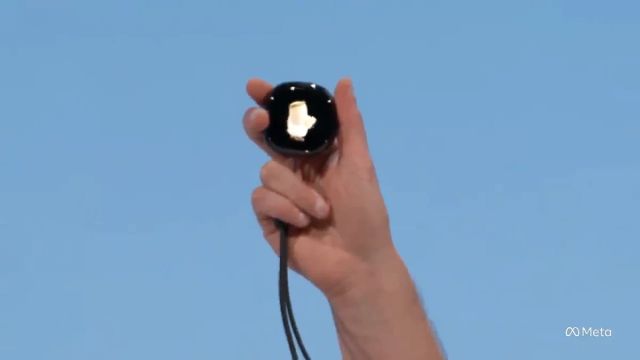
A Muse Charm device held up during Meta's Connect 2026 presentation

Meta brings Muse to glasses and a pocket device as its software gains new tasks

Muse is getting video calls, Mac control, email and more app connections. The Charm offers quicker voice access, but Meta has yet to show why its tasks need a separate device.

The AI Feed Desk

By The AI Feed Desk

Person wearing black Ray-Ban Meta Audio glasses while speaking to Meta's assistant

Meta's camera-free Ray-Ban Audio trades visual AI for a lighter frame

Ray-Ban Meta Audio removes the camera but keeps calls, translation, music, and Muse. Its claimed 12-hour battery life also tops Meta's new camera-equipped model.

The AI Feed Desk

By The AI Feed Desk

Three abstract model blocks run through benchmark lanes on a smartphone circuit board with mobile chips around the device

MLPerf Mobile v6.0 gives on-device LLMs a real test surface

MLCommons added standardized Android LLM tests to MLPerf Mobile v6.0, including Llama 3.2 1B, Llama 3.2 3B, and Llama 3.1 8B Instruct workloads.

The AI Feed Desk

By The AI Feed Desk