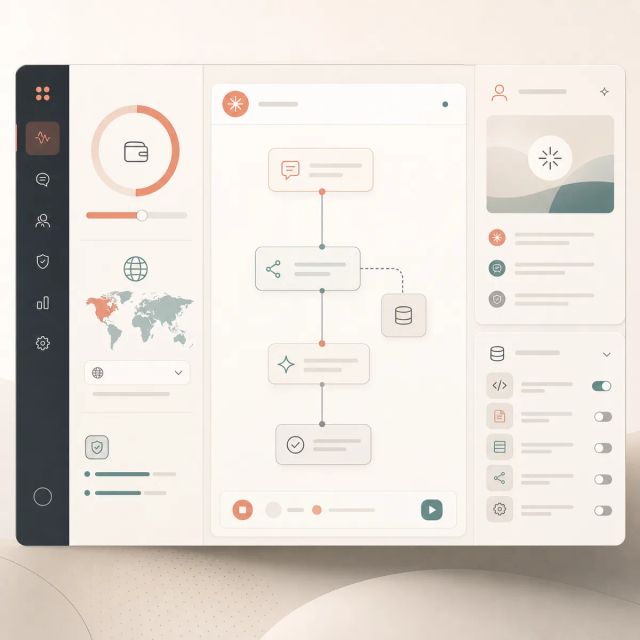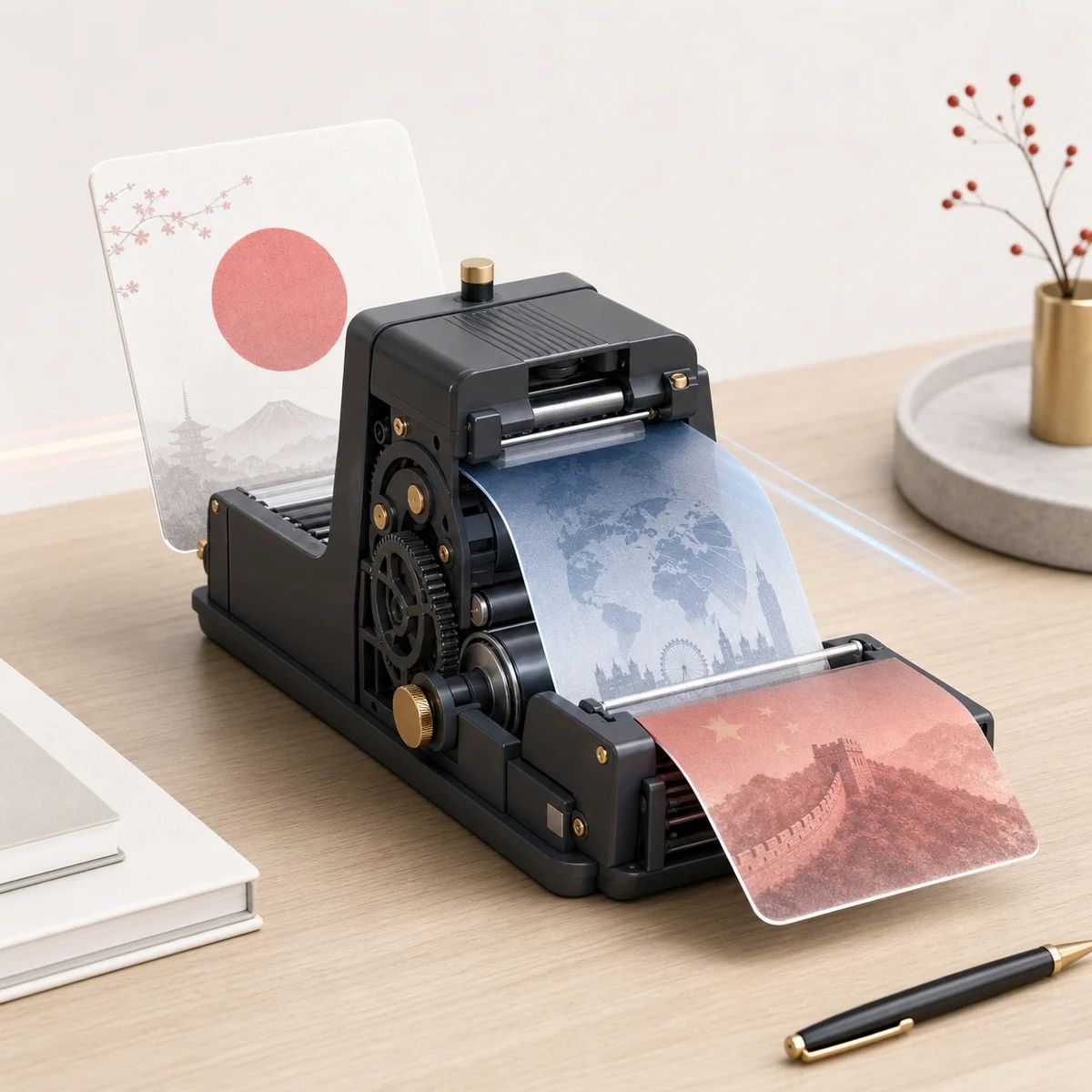
Sakana AI added Sakana Translate to Sakana Chat on July 6, giving the chat service a dedicated translation product for Japanese, English, and Chinese.
The company says the translation engine is Namazu, its model series adapted for Japanese. The product ships as a free web app and has three modes: translation, proofreading, and Q&A about the translated or corrected result.
That makes the launch narrower than a frontier-model release but more specific than a generic chatbot feature. Sakana is turning Japanese register, tone, and local context into the product boundary.
The product is built around Japanese friction
Sakana’s announcement frames the problem as a daily language gap for Japanese speakers who read foreign articles, write English email, or work with overseas partners. Its criticism of existing tools is also specific: business honorifics, culture-bound concepts, abbreviations, internet slang, place names, proper nouns, and everyday context can survive grammar checks while losing the intended distance or tone.
Sakana Translate is meant to address that by using Namazu as the translation engine. The service supports bidirectional Japanese, English, and Chinese translation.
The translate mode handles longer pasted text and streams output. Proofreading mode rewrites input into a more natural expression and shows the changed portions. Q&A mode lets a user ask about the translation or correction result, which is important when the problem is not only whether a sentence is grammatical but why one expression is more appropriate than another.
The useful distinction is that Sakana is not presenting translation as a one-shot text conversion. It is packaging translation, editing, and explanation as one workflow.
Benchmark claims need careful attribution
Sakana says it evaluated Sakana Translate with translation benchmarks and qualitative checks based on text actually used in Japanese society. It says the system showed strengths around honorifics, cultural concepts, place names, proper nouns, and lived context.
Those are company claims, not independent results from The AI Feed. They are still useful because they show how Sakana wants buyers and users to judge the tool: not only by whether output is fluent, but by whether it carries social context.
That is the right evaluation question for Japanese business writing. A technically correct sentence can still be wrong for a customer email, legal-ish explanation, internal escalation, or partner note if it misses who is speaking to whom.
Sakana has already appeared on the site for Fugu model orchestration. This release points in a different direction: instead of routing across models, Sakana is taking a localized model capability and wrapping it in a workflow people can use directly.