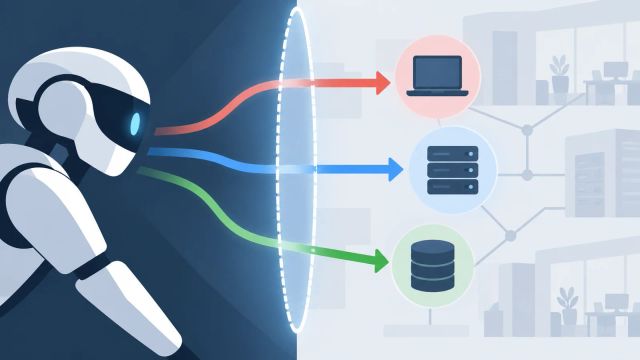
Google has launched Fairwind, a limited-access cyber-defense program for governments, enterprise customers, and trusted cybersecurity partners.
The program gives selected defenders access to advanced Gemini cyber capabilities inside a controlled deployment model. Google says Fairwind combines Gemini 3.8 Flash Cyber with its CodeMender harness so security teams can find, verify, and fix vulnerabilities at agentic scale.
That makes Fairwind more than another security-product announcement. It is Google’s answer to a fast-emerging frontier AI problem: if advanced models can accelerate vulnerability discovery, trusted defenders need a governed way to use similar capabilities before attackers do.
Fairwind is built around autonomous patching
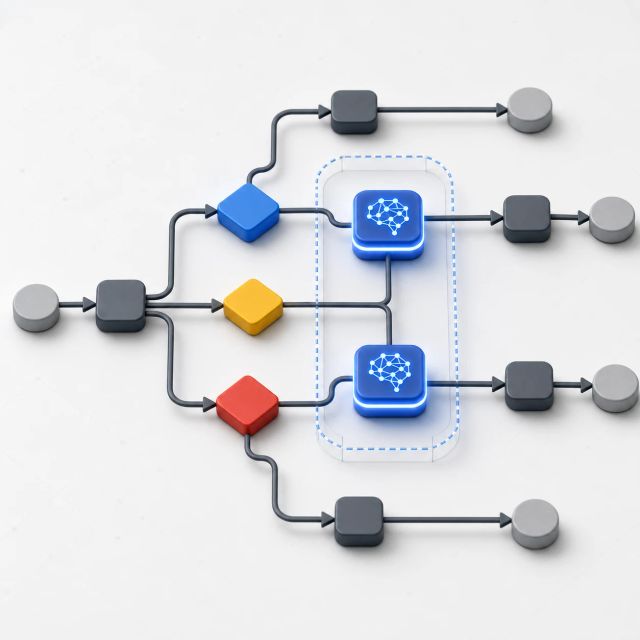
Google frames the program around the gap between knowing about a vulnerability and actually repairing it. The company says CodeMender with Gemini 3.8 Flash Cyber can generate verified, deployment-ready patches in minutes inside an organization’s secure cloud environment.
The important word is “verified.” A cyber agent that only reports issues still leaves security teams with triage, remediation, testing, and deployment work. Fairwind is aimed at shortening that full loop by moving from finding weaknesses to producing code fixes that defenders can validate and ship.
Google says the initial program is focused on three kinds of partners: governments and national cyber authorities, critical infrastructure operators, and core technology platforms. Those categories reveal the strategic goal. Fairwind is not being positioned as a broad developer tool. It is a controlled cyber-resilience program for systems where faster patching can have public or ecosystem impact.
Access is gated by operational standards
The limited-access model is central to the story. Google says participating organizations must follow strict operational standards, including limiting access to internal cybersecurity, incident-response, or penetration-testing teams and deploying protections such as multi-factor authentication.
That mirrors a broader industry shift. Frontier labs are increasingly treating high-end cyber capability as a deployment-risk category, not just a feature. OpenAI’s Astra disclosure this week framed advanced vulnerability discovery as something that requires tighter safeguards. Google’s Fairwind announcement comes from the opposite side of the same issue: put strong tools in trusted defenders’ hands under defined controls.
Google says more than 650 partners are participating globally. It also says any Google Cloud customer can use CodeMender with publicly available models on Gemini Enterprise Agent Platform, but Gemini 3.8 Flash Cyber access is being prioritized for Fairwind participants.
The cyber AI race is becoming operational
The next phase of AI cybersecurity will not be measured only by benchmark scores or red-team demos. It will be measured by whether organizations can reduce patch latency without creating new governance failures.
Fairwind is built around that operational test. The promise is faster remediation at scale. The risk is over-trusting generated patches, concentrating powerful cyber tooling among a small set of actors, or creating inconsistent access between well-resourced partners and everyone else.
For security leaders, the practical question is what evidence Fairwind produces. Strong claims will need concrete data: fix acceptance rates, false-positive rates, regression rates, vulnerability classes handled, audit logs, and how human review fits into the workflow.