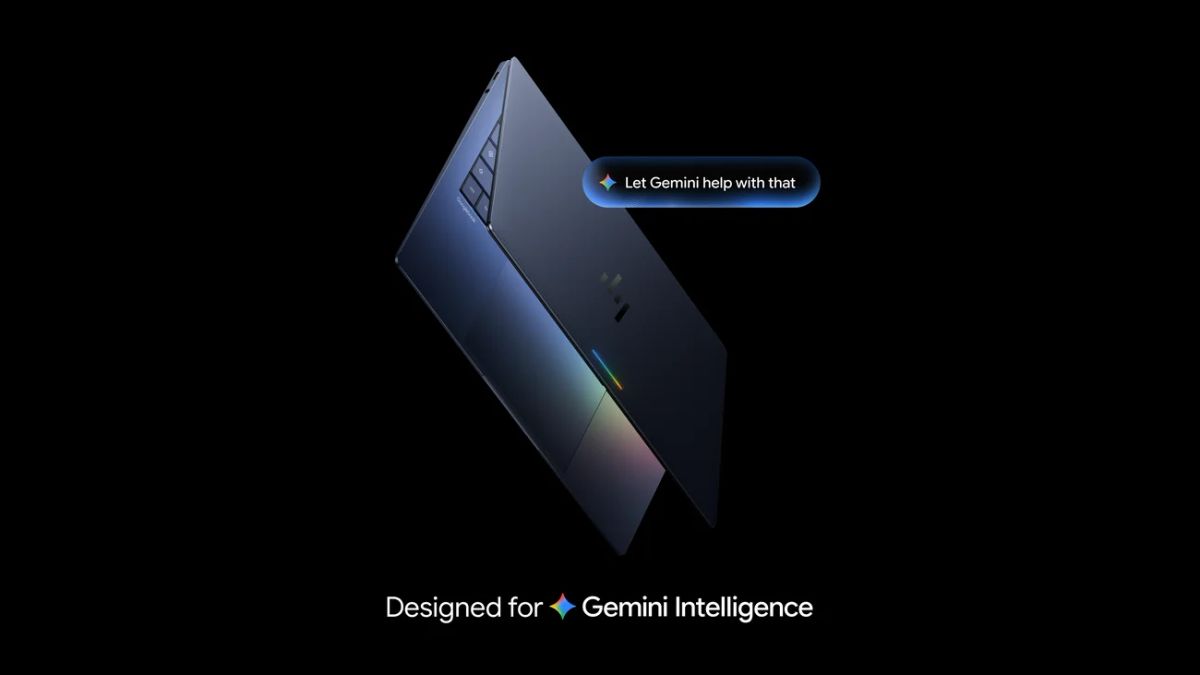
Google has opened preorders for Googlebook, an $899 laptop built around Gemini at the operating-system level. The device runs Android OS with a desktop version of Chrome and familiar parts of ChromeOS. It reaches stores in the United States on October 4 and six other countries on October 5.
Google’s pitch rests on three AI interactions: a cursor connected to Gemini, dictation that rewrites spoken notes, and widgets generated from prompts. The question is whether those shortcuts make a new computer more useful than Gemini and other AI tools already available through apps and browsers.
Magic Cursor sends selected context to Gemini
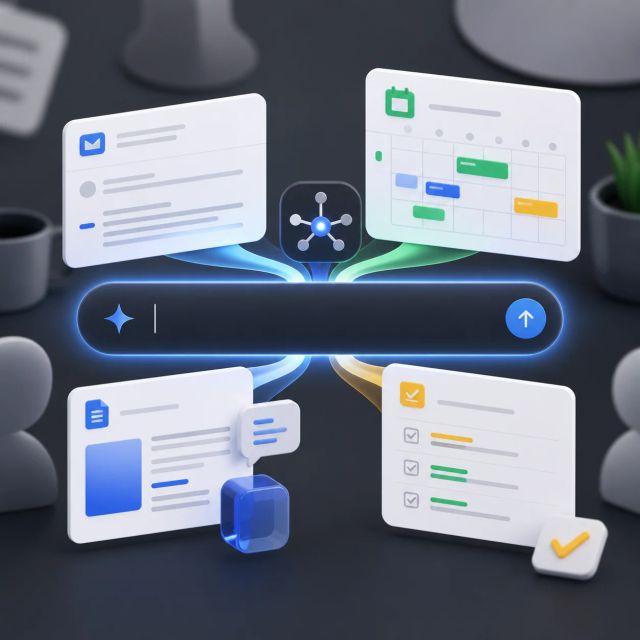
Google calls its AI pointer Magic Cursor. A user can highlight part of a web page and ask Gemini to work with it, hover over an email and ask whether it looks suspicious, or select several images and ask the model to visualize them together.
The interaction resembles Circle to Search on Android phones. Instead of copying material into a separate chat, the pointer becomes the way to choose context and invoke Gemini.
That can remove steps from a common workflow, but TechCrunch argues that the cursor alone is unlikely to sell the laptop. Browser and computer-use agents can already act on material inside existing software. Magic Cursor therefore has to prove that system integration is faster or more reliable than those alternatives.
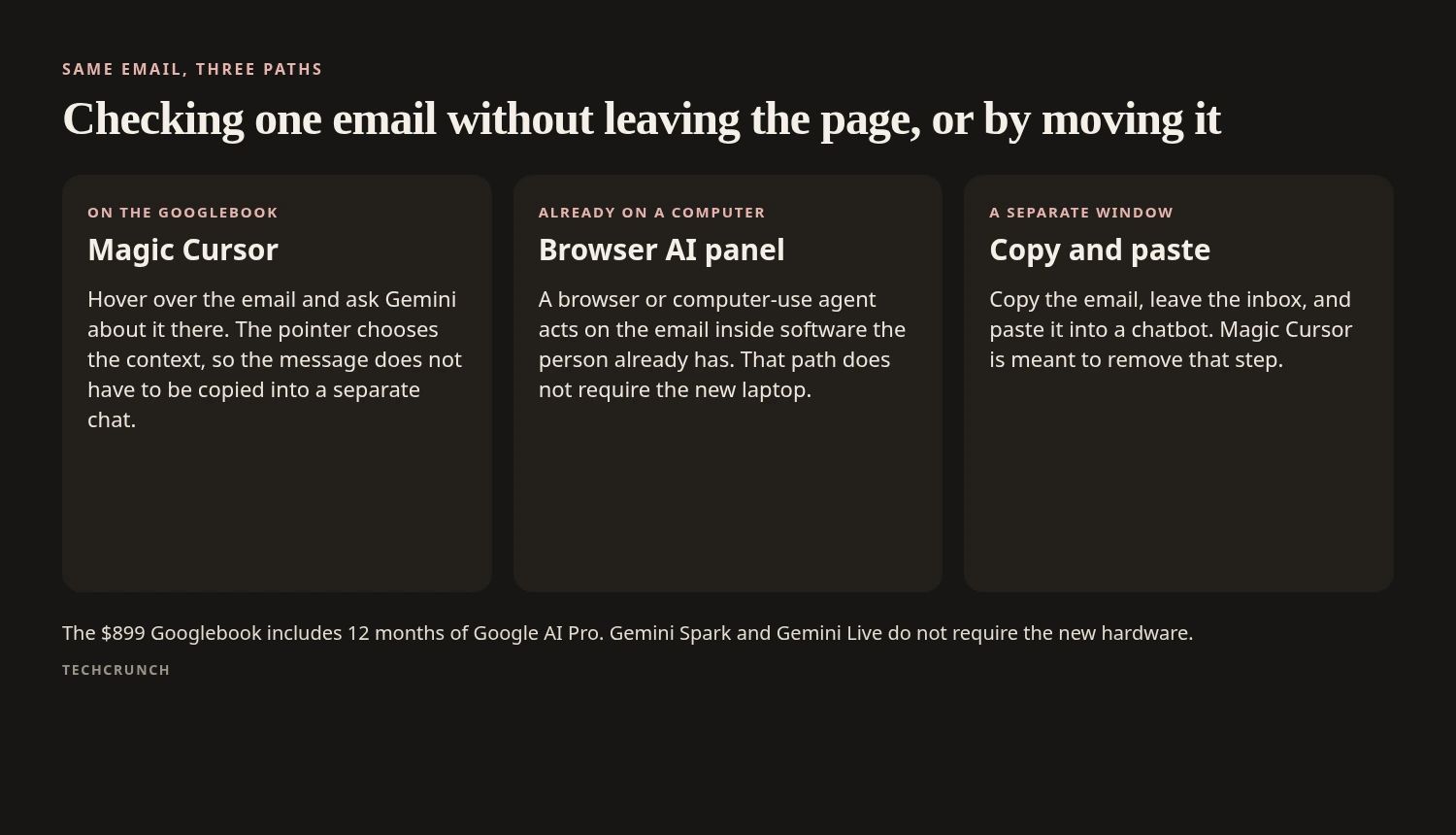
The $899 laptop includes 12 months of Google AI Pro. Gemini Spark and Gemini Live do not need the new hardware.
Rambler cleans up speech before it becomes text
Rambler takes a loose spoken thought and turns it into readable text. TechCrunch identifies it as one of the more useful Googlebook additions, though the publication does not see it as enough reason by itself to replace a computer.
Google is also promoting prompt-generated widgets. TechCrunch describes them as a smaller addition and notes that Gemini Spark and Gemini Live do not require new hardware.
That distinction matters because Google has said many current Chromebooks will become eligible to move to the Googlebook experience in the future. Existing Chromebooks will continue to receive support. The announcement therefore leaves open which AI functions will remain exclusive to the new devices and which will arrive as software updates elsewhere.
The $899 package is also a conventional laptop
Acer, ASUS, Dell, HP, and Lenovo are building the flagship models. The range includes Intel and Qualcomm processors with dedicated neural processing units, displays up to 2.8K OLED, haptic glass trackpads, and backlit keyboards. Google claims up to 14 hours of battery life and regular updates for as long as 10 years.
The purchase includes 12 months of Google AI Pro with 5TB of cloud storage and Gemini Advanced tools. It also includes three months of YouTube Premium, Adobe Photoshop, and other services.
Googlebook may have a larger path through schools. Google has said that students and educators use about 50 million Chromebooks. Moving that installed base toward Googlebook would put Gemini into the operating system used across those classrooms, even if individual AI features do not persuade consumers to replace a laptop.