Microsoft has introduced MAI-Cyber-1-Flash inside MDASH, its multi-agent vulnerability identification and remediation harness.
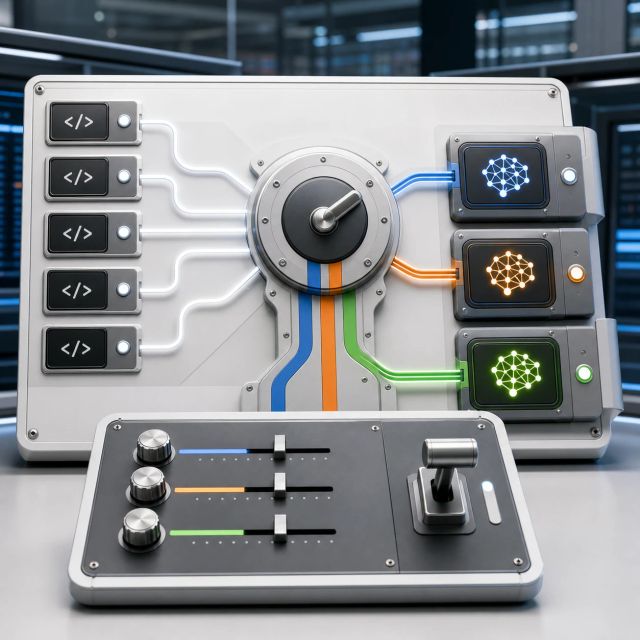
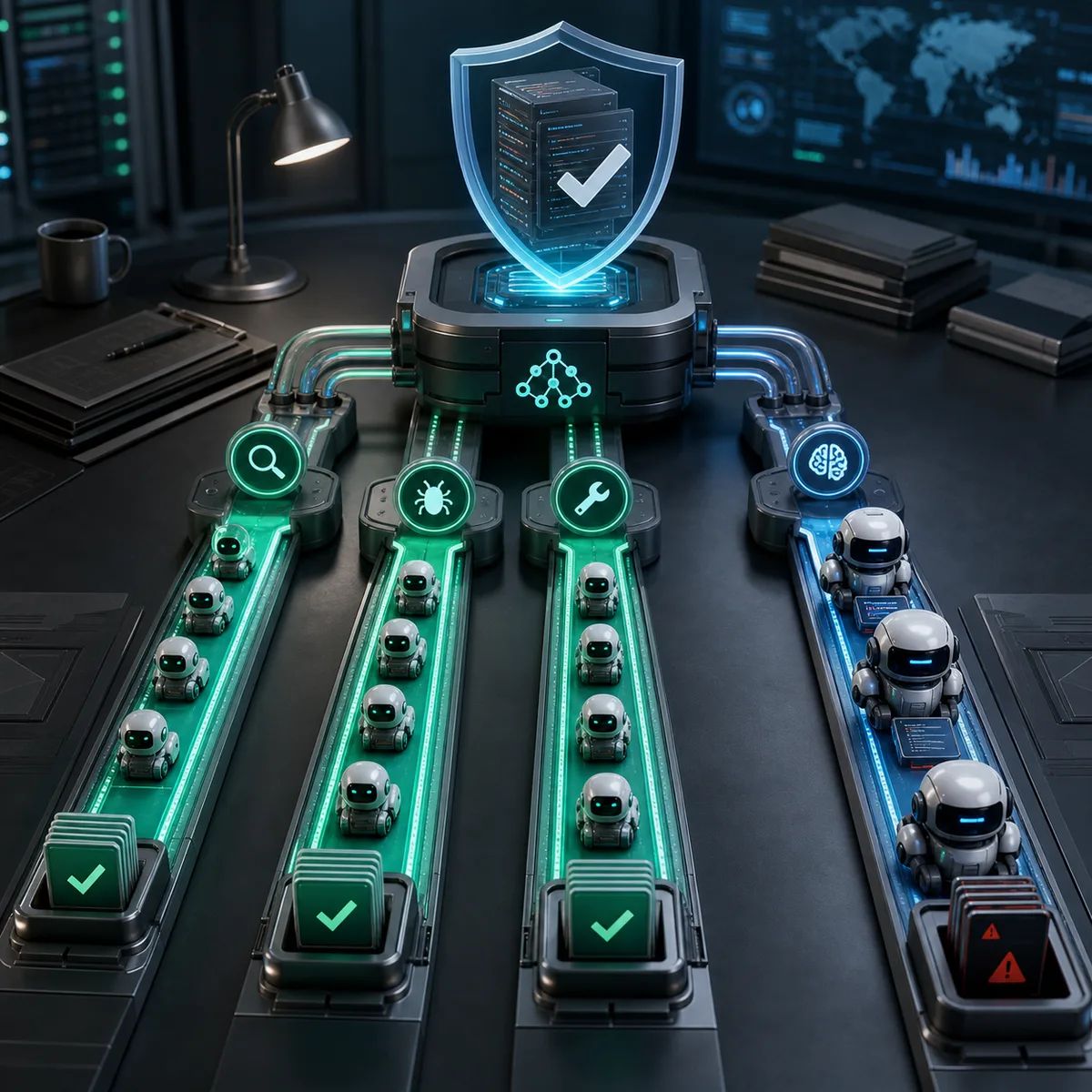
The company says the combined system delivers “world-class performance” at half the cost of leading models. It says MAI-Cyber-1-Flash is designed to handle up to 90% of tasks, while MDASH routes the hardest 10% to larger and more expensive models such as GPT-5.4.
Microsoft reports that MDASH with MAI-Cyber-1-Flash reaches 96% on CyberGym, which it describes as 12 points above Mythos. It also says the setup cuts cost by 50% compared with its prior best MDASH offering, a mix of GPT-5.4, GPT-5.4 mini, and GPT-5.3 Codex.
Those are Microsoft-reported results, not an independent buyer benchmark. They still show the product direction clearly: security AI is becoming a model-routing and harness problem, not only a single-model leaderboard problem.
The harness is the product surface
MAI-Cyber-1-Flash is a compact, code-heavy security model derived from the MAI-Thinking-1 lineage. But Microsoft spends much of the announcement on MDASH and Project Perception, not just on the model.
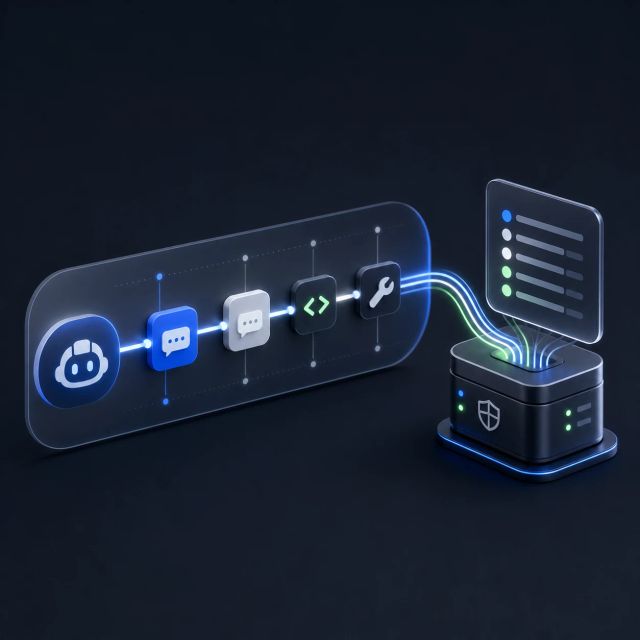
MDASH is the harness that coordinates more than 100 agents using multiple leading models to find, validate, and remediate vulnerabilities. Project Perception is the broader agentic security system that Microsoft says will use MAI-Cyber-1-Flash for more workflows beyond software vulnerability work.
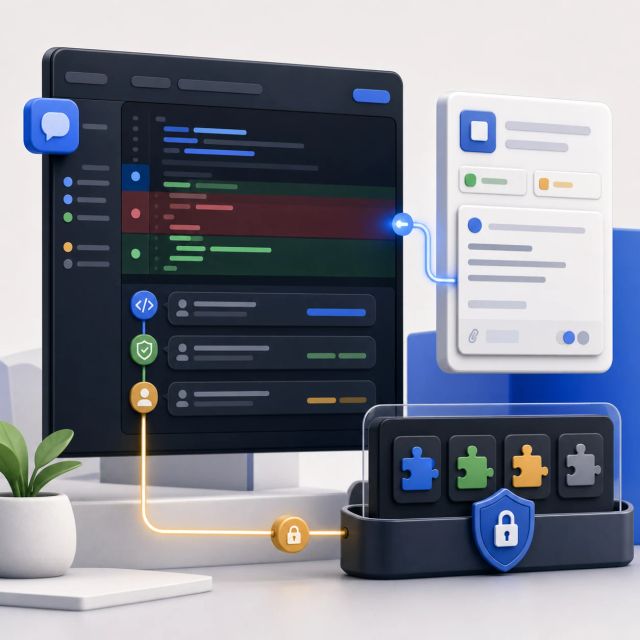
That framing matters for enterprise teams. A security model is useful only if it fits the operational loop: scan code, triage findings, validate exploitability, propose patches, run checks, and leave an audit trail. Microsoft is arguing that its advantage comes from model, data, and harness together.
The cost claim points to routing economics
Cyber defense has a volume problem. Organizations cannot send every scan, alert, dependency issue, and code path to the most expensive model. They need a routing system that gives routine work to a cheaper specialist and escalates the narrower hard cases.
That is the useful read on MAI-Cyber-1-Flash. The model is not being pitched as the one model to replace all cyber analysis. It is the default worker inside a larger system.
Microsoft also lists enterprise controls: role-based controls, tenant isolation, encryption, auditability, and sandboxed execution environments with no internet access. In the same week that Anthropic disclosed cyber-evaluation containment failures, that last control should not be treated as boilerplate.