NVIDIA is presenting the U.S. AI infrastructure buildout as a domestic supply-chain project, not just a chip demand story.
In a July 1 post, the company said its American partner and supplier network spans 43 states and includes semiconductors, boards, systems, racks, power systems, cooling, cloud capacity, and workforce development.
NVIDIA also said it plans to produce up to $500 billion of AI infrastructure in the U.S. with partners including TSMC, Foxconn, Wistron, Corning, Lumentum, Coherent, and Amkor. It said Blackwell wafers are in volume production at TSMC’s Phoenix facility, with AI supercomputer manufacturing plants planned with Foxconn in Houston and Wistron in Dallas.
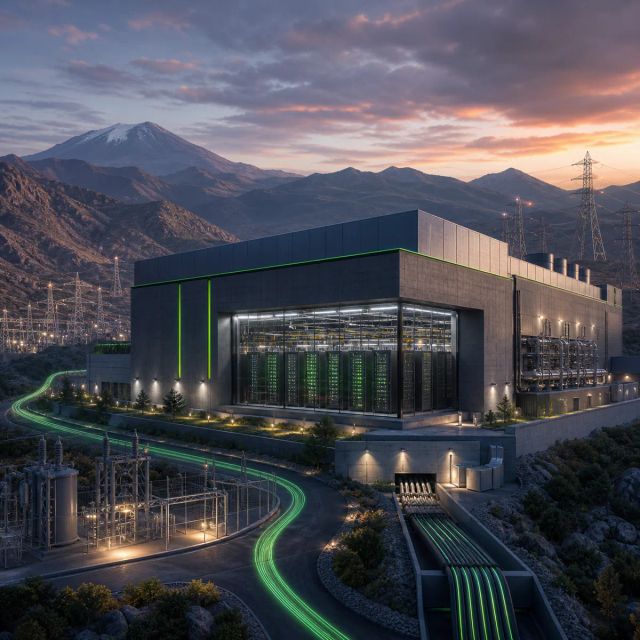
NVIDIA is defining AI factories as physical industry
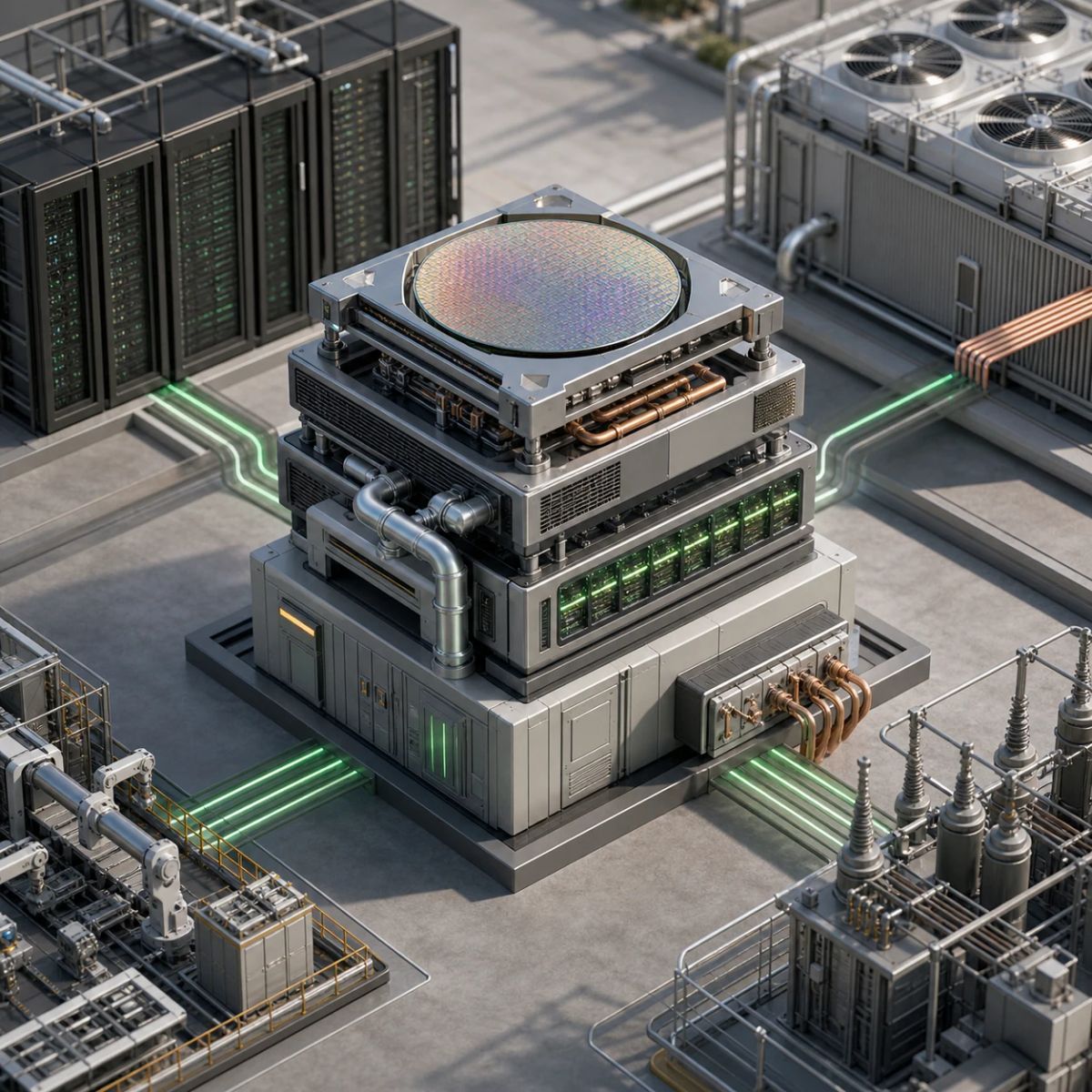
The post divides the buildout into three factory types: semiconductor fabrication plants, electronics manufacturing factories, and AI factories that turn data into useful intelligence.
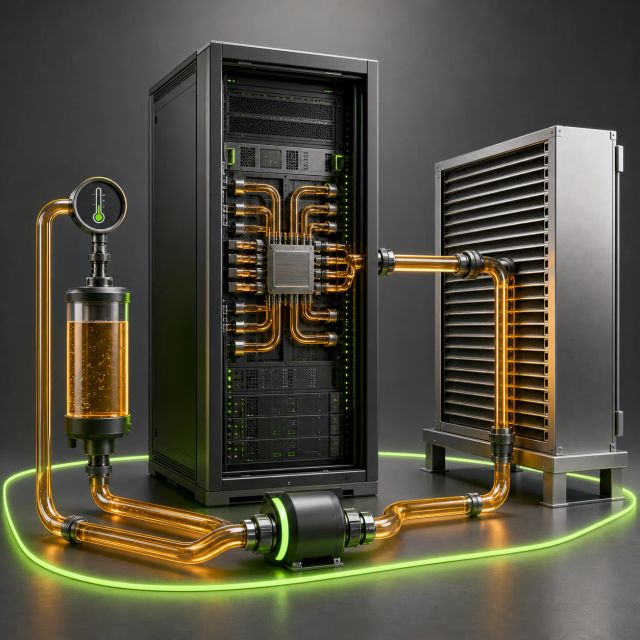
That framing is important. It makes AI infrastructure a layered industrial system: power, chips, packaging, boards, racks, cooling, data centers, models, and applications. The model only runs because the physical stack exists.
It also shows why AI capacity announcements now spill into manufacturing and energy policy. The bottleneck is not only access to the latest accelerator. It is whether suppliers can make enough components, whether sites have enough power and cooling, and whether local contractors and technicians can build and operate the facilities.
The economic claims need source weighting
NVIDIA cites Public First estimates that NVIDIA-driven AI demand will contribute $485 billion to U.S. GDP in 2026 and that NVIDIA-powered AI infrastructure supports more than 100,000 jobs.
Those numbers are useful as NVIDIA’s argument about the scale of the buildout, but they should be read as sponsored economic framing, not independent evidence from The AI Feed. The practical point is narrower and still important: NVIDIA wants buyers, policymakers, and investors to understand AI capacity as a national industrial program.
That complements NVIDIA’s other July infrastructure move. The company also introduced a revenue-sharing and credit-support model for emerging AI clouds, tying part of NVIDIA’s economics to downstream cloud revenue. Together, the two stories show NVIDIA pushing on both sides of the infrastructure equation: supply formation and utilization.
The new question is who carries buildout risk
AI infrastructure now has three kinds of risk. There is supply risk: can partners produce chips, systems, cooling, power equipment, and finished data-center capacity fast enough? There is demand risk: will model builders, enterprises, and AI-native companies keep the capacity busy? And there is financing risk: who pays before utilization is proven?
NVIDIA’s U.S. supply-chain message addresses the first risk. Its AI cloud revenue-sharing model addresses the third. The second is the one to watch.