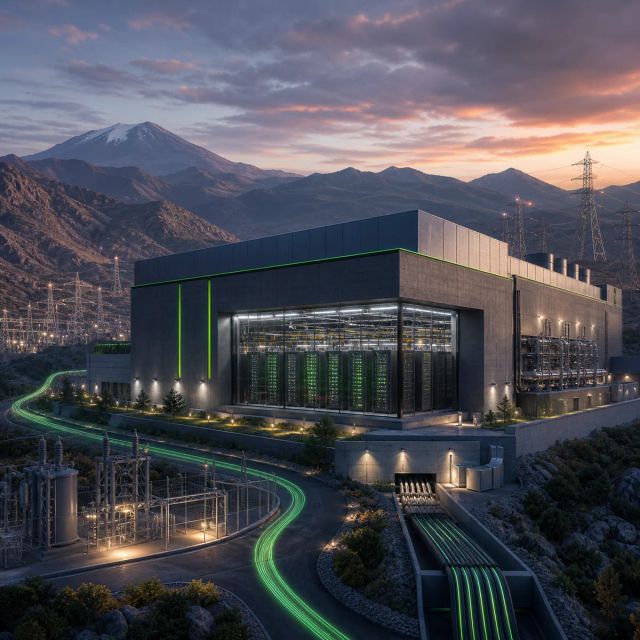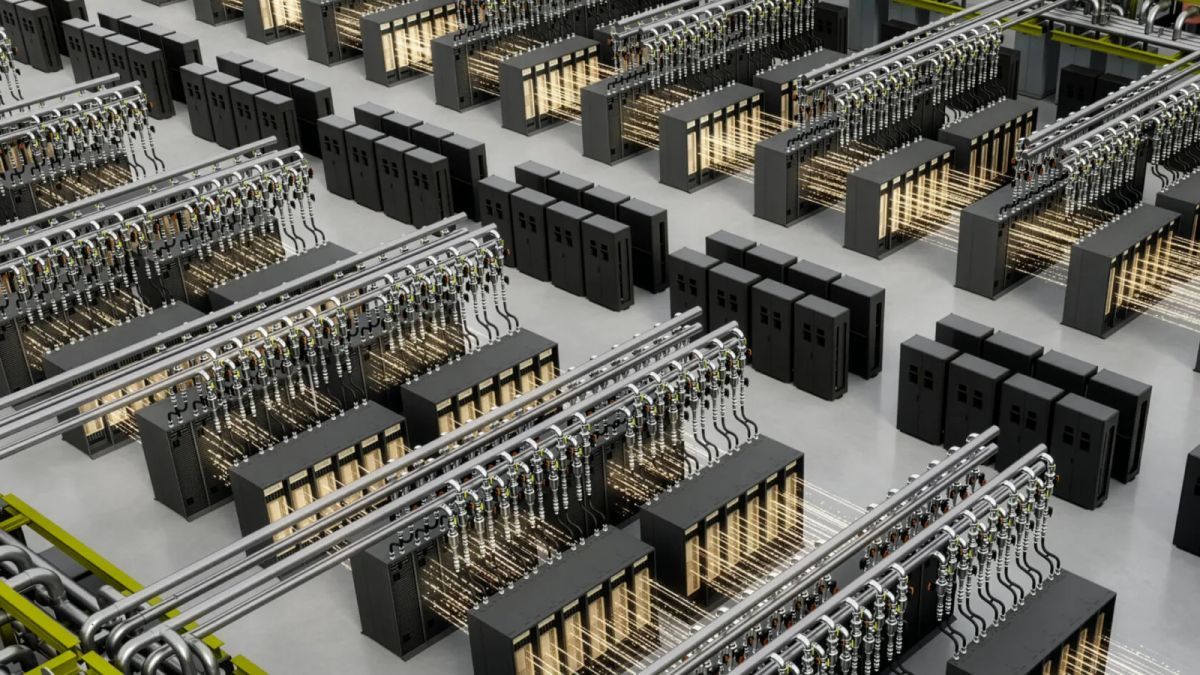
Nvidia has contributed key Vera Rubin rack and compute-tray designs to the Open Compute Project through its open MGX architecture. At the OCP Global Summit in San Jose, the company also announced facility specifications, open source operations software and networking partnerships to support AI data centers as their power needs grow from megawatts to gigawatts.
For builders, the concrete change is a shared set of designs and interfaces for equipment that must work together. Nvidia’s announcement describes contributions at the rack, facility and utility-grid levels, each with a different role in deployment.
What the rack designs cover
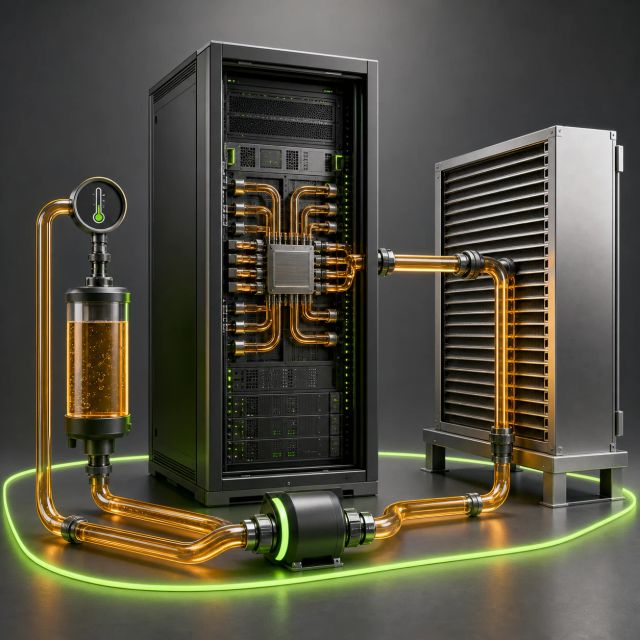
The updated MGX 1.2 specification supports rack deployments up to 250 kilowatts. It adds rack-scale blind-mate liquid cooling, standardized power and cooling interfaces, and a liquid-cooled 5,000-amp busbar for high-power systems. Native support for 19-inch equipment, configurable input and output bays, and fanless liquid-cooled compute trays give manufacturers more options within the common design.
Nvidia says these changes improve assembly, testing and service times. The announcement provides no measured time savings, so the benefit for a particular build remains something suppliers must demonstrate.
The Vera CPU rack specification also extends MGX to infrastructure for agent tool calls, orchestration and sandboxed execution. Nvidia positions that CPU rack alongside Vera Rubin NVL72, which handles large-scale training and inference. Both use the third-generation MGX rack architecture’s modular approach to compute, networking, power and cooling.
Facility standards and software accompany the hardware
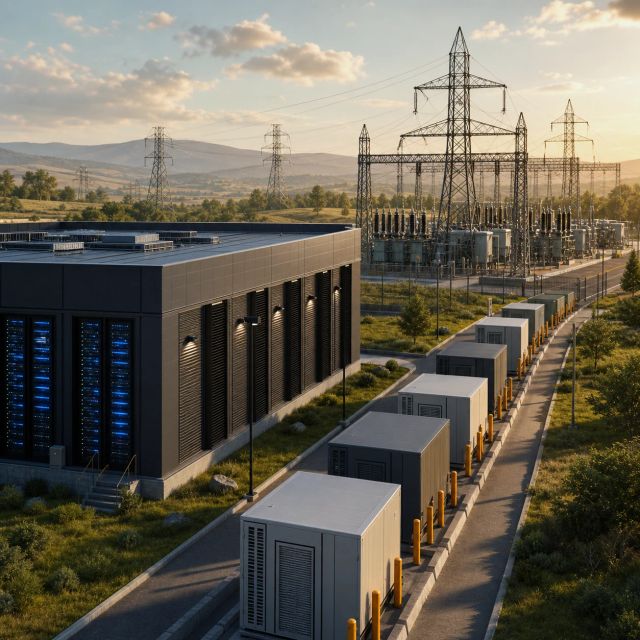
Nvidia, AMD, Google and Meta published the Open Data Center Specification v0.7 for facility power architecture, cooling and physical layout. Separately, Google, Meta, Microsoft and Nvidia published the OCP Grid Resilience Specification. It defines how large AI facilities should respond to grid disturbances, including staying connected and restoring near-full load in less than two seconds.
Nvidia says both specifications are compatible with its DSX reference design. It also announced open source DSX OS components for switch configuration, GPU-cluster stress testing, rack management and bare-metal provisioning. These give operators software to configure and validate infrastructure alongside the physical designs.
Visionbay’s K-1 plans show how a partner intends to use that infrastructure approach. Its design combines Nvidia’s 800-volt DC reference architecture with Vertiv power and thermal technology. The plan centralizes AC-to-DC conversion at cluster-level power centers and allows operators to phase in 800-volt DC distribution.
Networking announcements have different timelines
Meta is adopting Nvidia Spectrum-6 Ethernet switches for Vera Rubin AI factories. Its N-IceCube switch runs Meta’s open source FBOSS network operating system on Nvidia switch hardware.
Other networking announcements describe future capabilities. Nvidia and Cisco announced plans for USFP pluggable optical modules with 400-gigabit-per-second lanes. Nvidia and Google announced Falcon Transport support on future ConnectX-10 SuperNICs and BlueField data processing units. Falcon lets Nvidia and Google network adapters communicate over a common transport while applications retain standard remote direct memory access programming interfaces.
Sources
- NVIDIA: OCP Global Summit: Amid Ecosystem Adoption, NVIDIA Opens Vera Rubin Architecture to Help Scale AI Factories Worldwide. Announcement and source of the lead AI factory rendering, credited to Nvidia.