Google expanded Managed Agents in the Gemini API with background execution, remote Model Context Protocol servers, custom function calling, and credential refresh.
The update was published July 7 and sits on top of the Gemini Interactions API. Google describes managed agents as a single endpoint where Gemini handles reasoning, code execution, package installation, file management, and web information inside an isolated cloud sandbox.
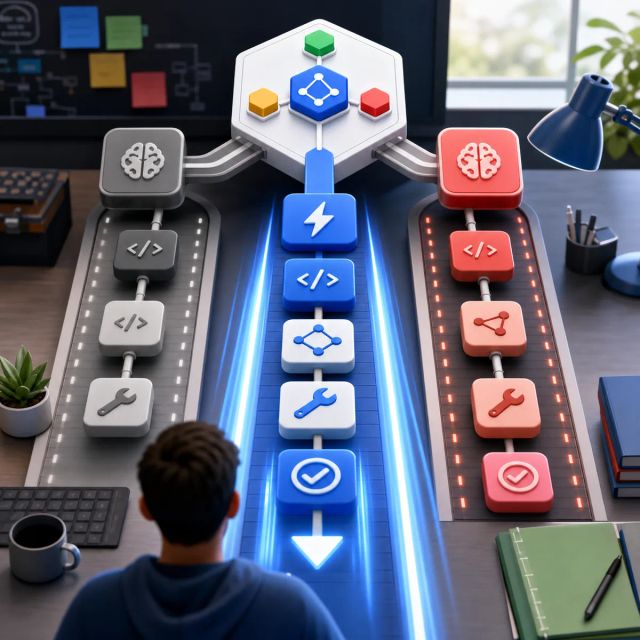
The new background mode is the most practical change. Instead of keeping a long HTTP request open while an agent works, developers can pass background: true, receive an ID, and then poll for status, stream progress, or reconnect while the task finishes on the server.
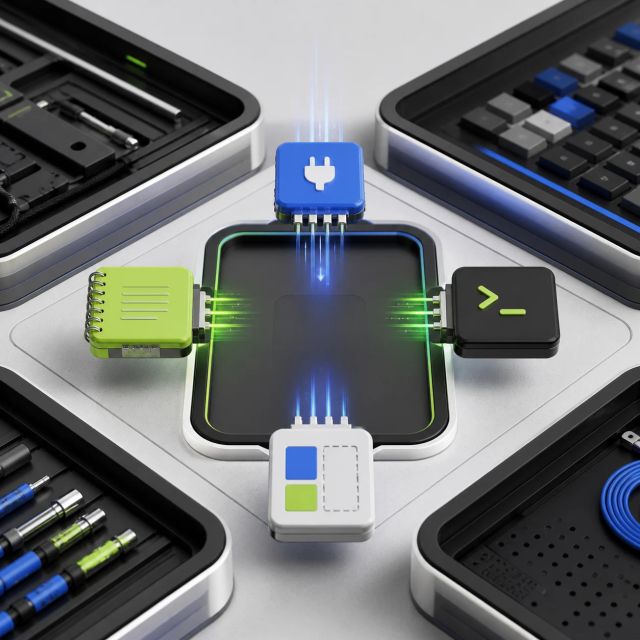
Google also added remote MCP server integration. That lets a managed agent call external tools through an mcp_server tool while still using built-in sandbox capabilities such as Google Search or code execution.
The agent runtime is becoming the product
The model call is no longer the whole developer surface.
Managed Agents now include the pieces that make agent work less brittle: a persistent environment, async execution, remote tools, local custom functions, and credential rotation without losing sandbox state.
That is the real shift. For production agents, the hard parts often sit around the model: how to keep work running after a client disconnects, how to connect to internal systems without building fragile proxy glue, how to refresh short-lived tokens, and how to preserve installed packages or cloned repositories between steps.
Google’s update does not solve the governance problem by itself. Connecting remote MCP servers to an agent still requires careful permissions, network boundaries, logging, and tool design. But it does move more of the agent orchestration layer into a managed platform surface.
Remote tools raise the stakes
Remote MCP is powerful because it lets agents reach private databases, internal APIs, or business tools through a standard protocol. That is also why it needs extra scrutiny.
The wrong tool exposed to a persistent agent can become a data-access or action-taking risk. Teams should treat remote MCP servers as production integration points, not developer conveniences.
The same is true for custom functions. Google says built-in tools run on the server, while custom functions move an interaction into requires_action so the client can execute local business logic. That boundary is useful because it gives the application a chance to decide what the agent is allowed to do before the action happens.
For developers already using Google’s agent stack, this update is a reason to revisit architecture. If the current implementation depends on long-held connections, manually rebuilt sandboxes, or custom middleware around private tools, Managed Agents may now cover more of that work directly.