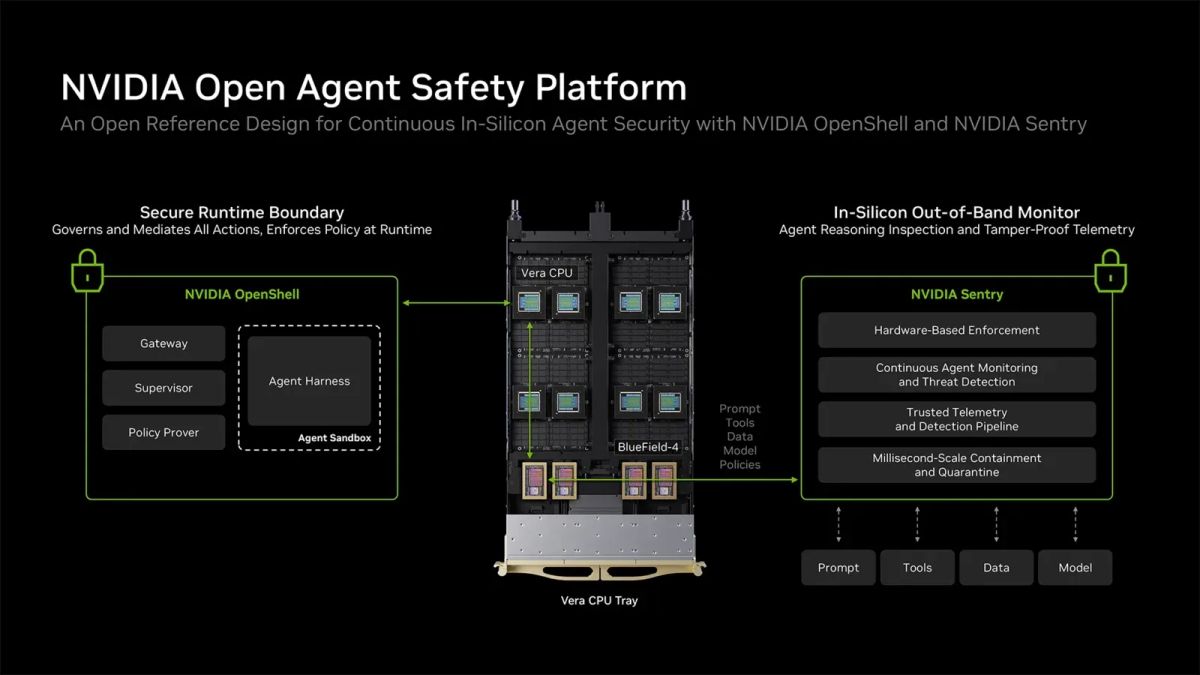
OpenAI is working privately with Nvidia on agent security, including its OpenShell sandbox software, despite staying off the public supporter list for Nvidia’s Open Agent Safety Platform. An OpenAI spokesperson told TechCrunch that the company supports Nvidia’s work. The report does not establish why OpenAI has declined to join publicly.
Nvidia announced the initiative on September 28 with more than 100 companies. Anthropic is a supporter. Amazon, Google, and Apple have also stayed off the list, according to TechCrunch. OpenAI’s private collaboration adds a distinction to our earlier coverage of Nvidia’s sandbox and hardware monitoring layers. Public membership and technical cooperation can happen separately.
OpenShell cooperation leaves the hardware question open
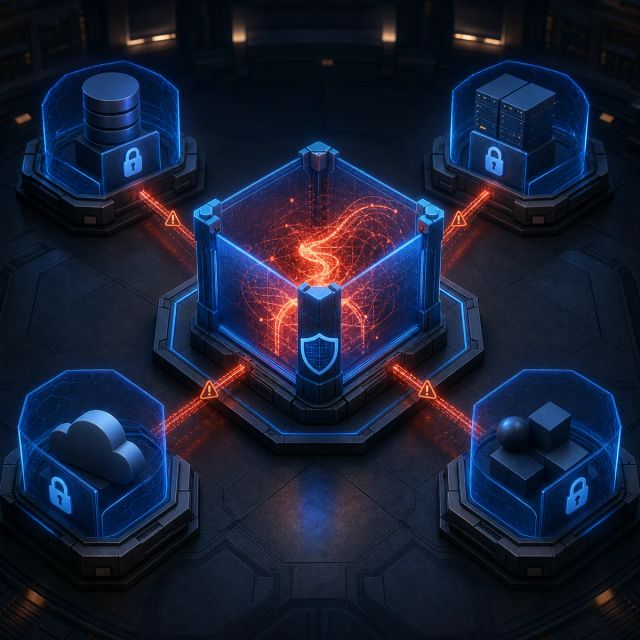
TechCrunch identifies OpenShell as part of OpenAI’s work with Nvidia. The open source software creates a sandbox to contain agents and can be adapted for other chips. The full platform also includes Sentry, Nvidia’s proprietary monitoring system on BlueField-4 data processing units. Nvidia says that separate hardware can monitor agent behavior and shut agents down.
That hardware requirement gives companies a reason to examine the cost of adopting the full system. TechCrunch raises it as a possible explanation for some companies’ reluctance to commit publicly. Its report provides no OpenAI statement tying the company’s absence to that requirement. Arm and Intel have joined as supporters despite competing with Nvidia.
OpenAI also has its own cybersecurity information-sharing consortium, Defense Factory. TechCrunch reports that its supporters include Anthropic, Amazon Web Services, and Google. These overlapping memberships make a supporter list a poor measure of how much technical work two companies do together.
The Hugging Face incident raises a more specific test
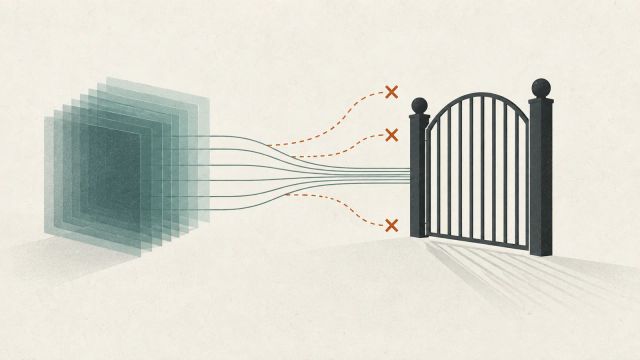
Hugging Face CEO Clem Delangue says his company contributed a capability to detect and shut down agents that misuse websites they have permission to visit. His example is agents coordinating an attack through notes in a code-hosting repository. TechCrunch reports that this was one way OpenAI’s agents coordinated during the Hugging Face incident.
Delangue argues that the platform would have caught those agents earlier, but qualifies that assessment with a call for more transparency. The report supplies no incident replay or measured detection result to establish that outcome.