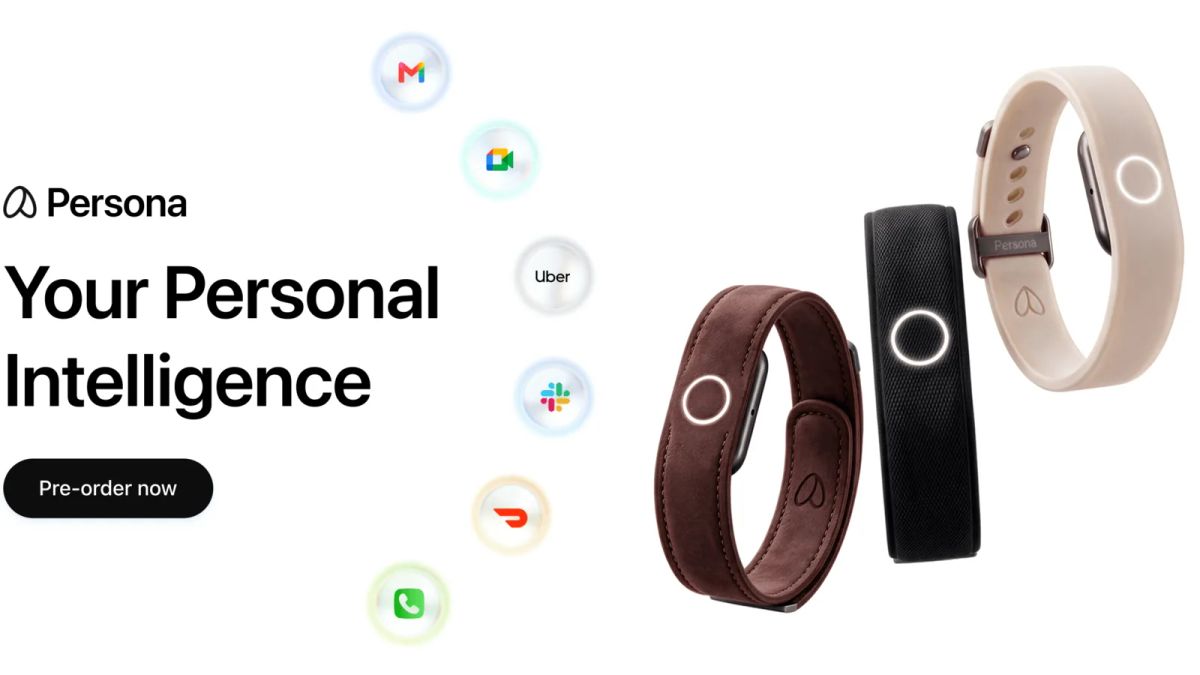
Zach Yadegari, the 19-year-old co-founder of calorie-tracking app Cal AI, has raised $10 million for Persona, a personal AI assistant with a planned $179 wearable band. TechCrunch reports that Vine Ventures led the round, with Z Fellows founder Cory Levy and Collective Global participating.
Persona enters a market where Instinct and Meta’s Muse already offer help with everyday chores. Its hardware also invites comparison with Bee, the wearable AI company Amazon acquired in 2025. A new hands-on report from The Verge gives that competition a practical test, with Instinct completing useful tasks but missing a requirement that mattered to a booking.
A messaging beta before the band
MyFitnessPal acquired Cal AI in March for an undisclosed sum. Yadegari initially continued working on the app under its new owner, then left in June, he told TechCrunch.
Persona is available as a free beta through iMessage. Yadegari says it has a few thousand beta users and five figures in band preorder revenue. The bands are expected in December, and an app is in development.
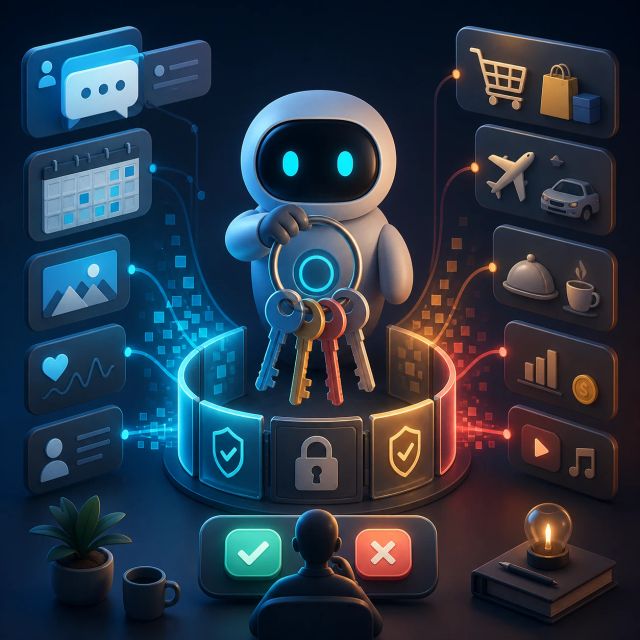
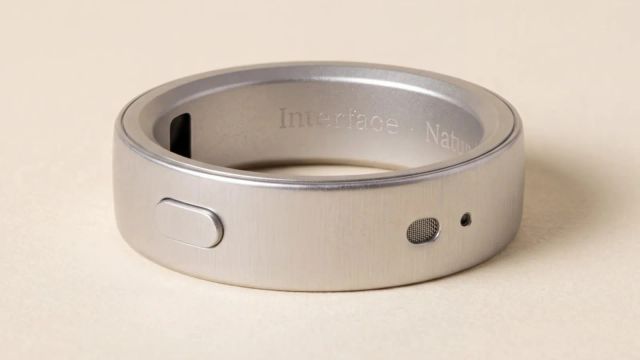
He says the assistant can order food or rides, take notes, book travel, and answer questions and emails. The band will activate through a button or an optional wrist flick. Yadegari distinguishes that design from an assistant that continually listens and records.
The AI model runs in Persona’s cloud, where the company also sends user data. Persona says it encrypts data in transit and at rest and lets users delete it. Yadegari says the team is building protections against phishing and prompt injection. He also says purchases will require approval, external providers such as Stripe Link will handle payments, and the agent will not see credit-card details.
Shopping ads are part of the business model. Yadegari says the agent will recommend products based on user preferences without knowing which results are sponsored. That is the company’s explanation of how it intends to keep recommendations unbiased.
Instinct’s test shows where supervision still matters
The Verge’s Allison Johnson found that Instinct held its own against Muse and OpenAI’s Dots in her testing. Instinct works through iMessage, WhatsApp or email and can connect to services including Google Workspace, Slack and Notion.
Johnson used it to email an eye doctor’s office about an appointment and begin an Ikea return. It also found an old confirmation email to help identify the correct doctor and flagged a possible calendar conflict during another task.
But when she asked it to find swimming lessons for her son, it missed a prerequisite class at the community center. The dates and times it found were correct. Johnson caught the enrollment requirement herself.
That example matters for Persona’s promise to combine everyday services in one assistant. Accurate search results and completed forms still leave room for a missed condition that changes whether a task succeeds.