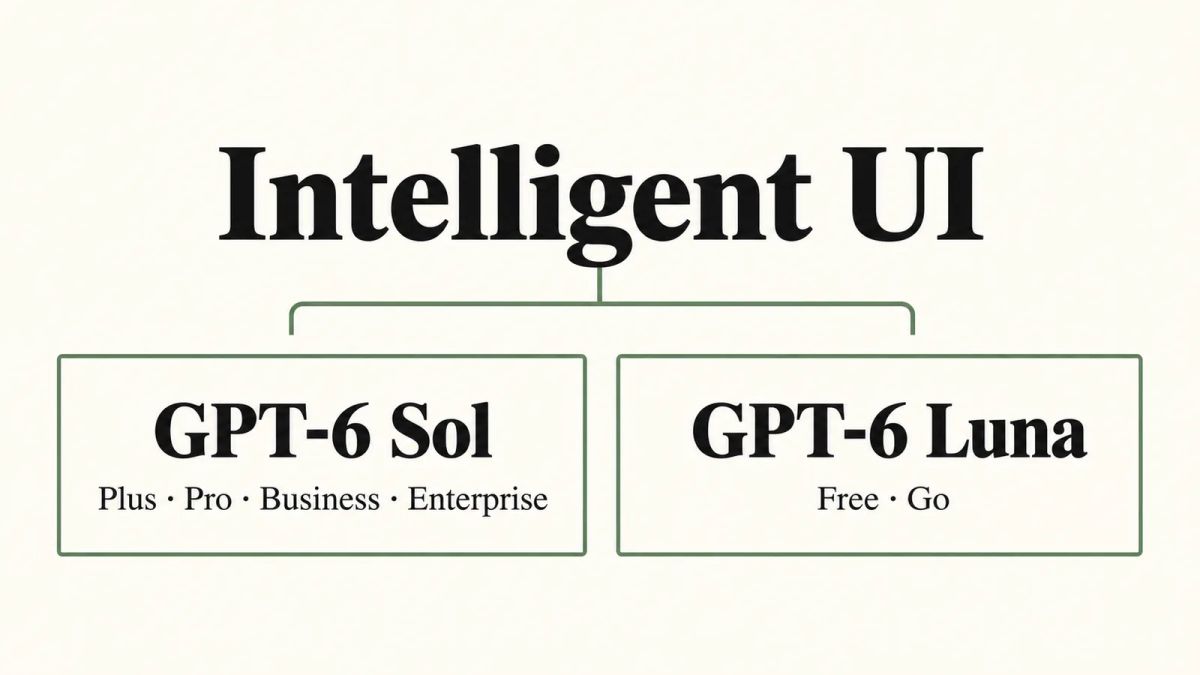
GPT-6 with Intelligent UI is rolling out across ChatGPT’s tiers. OpenAI’s October 7 announcement starts the rollout with Plus, Pro, Business and Enterprise, then expands it to Free and Go on October 8. Enterprise access depends on workplace admin settings.
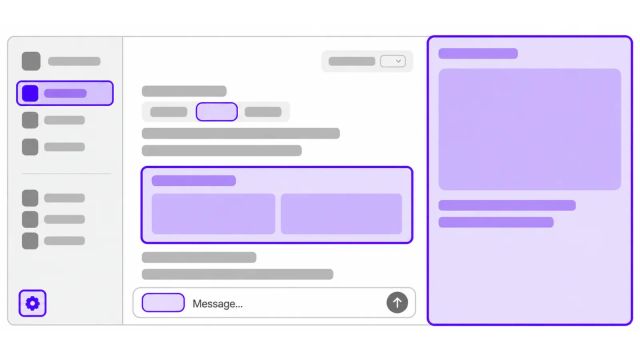
The update lets ChatGPT combine text with charts, diagrams, forms and tappable buttons. OpenAI says it chooses the format based on the question, including plain text when that works best. Users share the interface capability, but their plans determine the model.
Sol and Luna reach the Chat tab
| ChatGPT tier | Model powering Chat |
|---|---|
| Plus, Pro, Business and Enterprise | GPT-6 Sol |
| Free and Go | GPT-6 Luna |
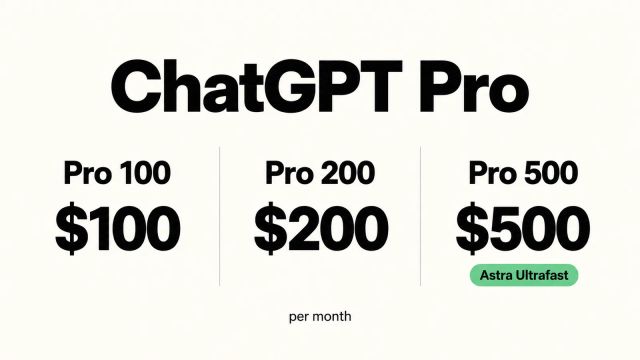
OpenAI says both models are tuned for everyday conversation. This release changes Chat, while the models behind Work and Codex stay the same. That distinction matters alongside our earlier GPT-6 Astra Ultrafast coverage.
OpenAI built Intelligent UI around a library of native components and a compiler that displays the interface as the model generates it. Users can see parts of a response before the whole answer is complete.
Answers become tools inside the conversation
The Verge reports that OpenAI’s bicycle example uses buttons to highlight different parts of a seven-speed bike. A Mahjong example sorts tiles into categories users can scroll through. Users can also request a retirement savings calculator, a bill splitter or a playable game inside a reply.
TechCrunch describes a demonstration in which ChatGPT generated diagrams to explain how an airplane wing produces lift. Its report says users can reduce the amount of visual content if they prefer fewer visuals.
Readers following our visual ads coverage now have another change to follow in how ChatGPT presents information. Here, the announced controls let people explore an answer or use a tool within it.