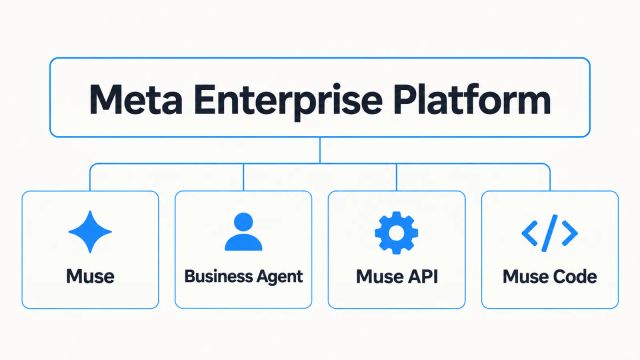
Meta released Muse Wonder and Muse Wonder Full on October 12, bringing its Superintelligence Labs division into the frontier-model competition. The immediate choice for builders depends on where they work. Both models are available to Muse Code subscribers, while Wonder is the model available through the Meta Model API.
The pair follows the lightweight Muse Spark. Meta describes Wonder’s larger base models as better suited to complex tasks and unfamiliar problems. Its launch post emphasizes coding work that requires repeated testing and revision, alongside agents that retain context across conversations.
What builders can access
The Verge reports that Meta’s internal benchmark results put the models in competition with GPT-6 Astra, Claude Opus 5.5 and Claude Fable 5.1. That gives developers another candidate to evaluate. The reported comparisons come from Meta’s own testing.
Wonder API pricing is $4 per million input tokens and $20 per million output tokens, according to TechCrunch. Wonder Full remains limited to Muse Code subscribers.
How Wonder fits the Muse agent
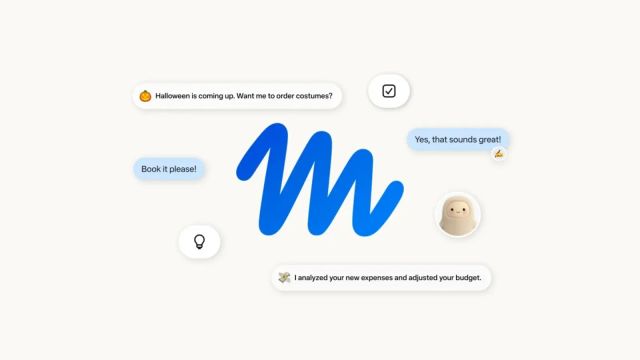
Meta calls its ability to retrieve relevant details across conversations “Active Memory.” It calls sustained work toward a goal “Active Focus.” The launch post describes the latter as trying alternative approaches, adapting to new information and asking for clarification when needed.
These capabilities support Meta’s plan to put Wonder into its Muse agent. Meta says that rollout will begin with subscribers. It also plans specialized models for broader Muse use, but gives no dates. API and Muse Code access are available now; the agent rollout is a separate step.
The release follows Meta’s overhaul of its AI work and extends the Muse lineup beyond Spark and Muse Image. Meta says it trained the Wonder models at its Prometheus data center.