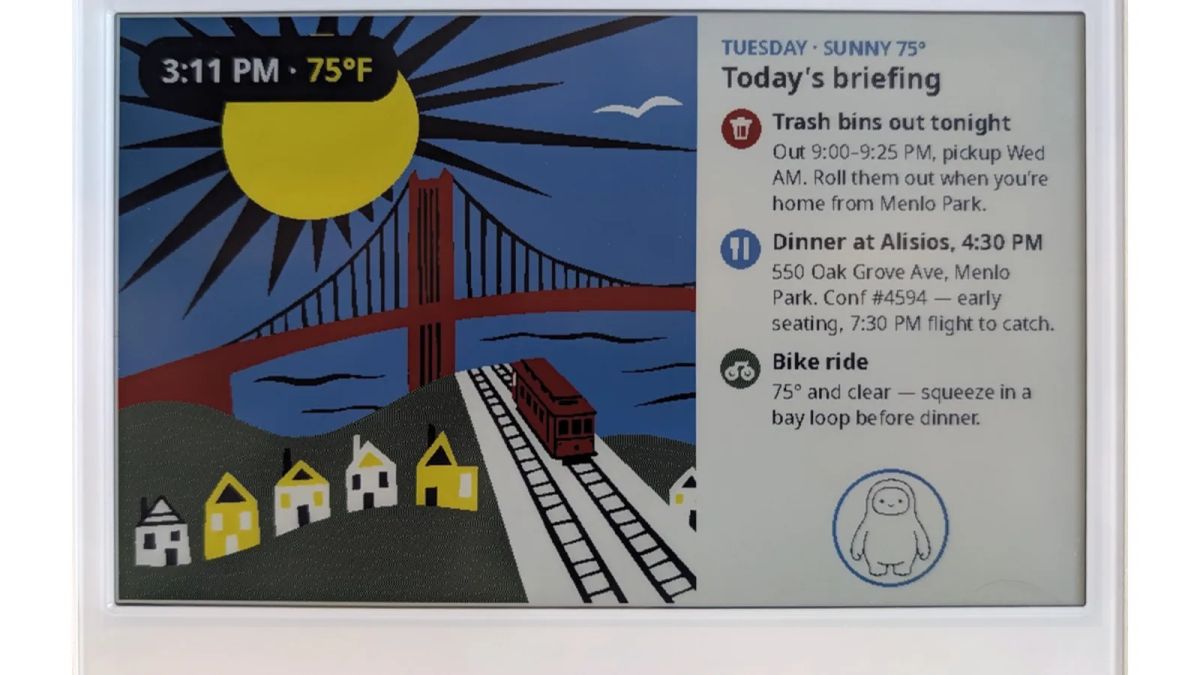
A white E Ink display shows a bridge illustration beside a daily briefing and reminders
+ AI News

Meta open sources code so developers can build their own Muse gadgets

Meta has released ESP32 and Linux device code for Muse. E Ink projects have source links, the HDMI stick is coming soon, and Home Link has a limited giveaway.

Meta has released device SDKs and firmware that let developers connect their own hardware to Muse, its personal AI agent. Muse Gadgets supports ESP32 boards and Linux computers such as the Raspberry Pi. Builders can add displays, microphones, buttons and sensors, or connect the agent to home automation software.

The release gives Muse more ways to show information and act on requests outside a phone or browser. For builders, the useful distinction is between code they can use now, suggested hardware projects and Meta’s separate Home Link giveaway.

What builders can get now

Meta’s Muse Gadgets page links to an ESP32 Device SDK and a Linux Device SDK. It says the device SDKs and firmware use the Apache 2.0 license and come without warranty. Getting started requires an SDK token.

The ESP32 SDK connects a board to Muse and supports a screen, audio input and output, and other sensors. The Linux SDK lets developers add their own commands for system administration or a Home Assistant setup. Meta also provides a community Discord for builders to share projects and get help.

Several examples already have source links. The Seeed reTerminal E1002 gives Muse a color E Ink display for briefings, reminders and shopping lists. The Waveshare ESP32 touchscreen example has push-to-talk, a speaker, a microphone and a battery. Meta also lists smaller display devices and the Home Assistant Voice Preview Edition.

The HDMI stick needs a different availability label. Both news reports describe the idea of putting Muse on a television, but Meta’s project page marks that example “Coming soon.” Builders should distinguish that proposed project from the examples with source links. Meta says the listed third-party devices have no Meta endorsement or warranty.

The published release covers device connection code. The sources do not establish that Meta has released Muse’s model or that these boards run the agent independently. An SDK token is part of the documented setup, so builders should check Muse access requirements before buying a board.

Meta has also built Muse Home Link, a USB-C-powered gadget that connects Muse to a home network. The Verge reports that community-built skills can let it turn on lights, control a TV or send a document to a printer, depending on the user’s setup.

According to Meta Superintelligence Labs product head Nat Friedman, as reported by TechCrunch, Meta made 5,000 Home Links to give to Muse subscribers while supplies last. The reports describe a waitlist and expected shipping in October. They do not confirm current stock or completed deliveries.

Sources

The AI Feed Desk

The AI Feed Desk

Editorial desk

The AI Feed Desk tracks AI provider updates, model releases, agent tooling, and enterprise adoption, turning fast-moving announcements into source-linked context for builders and operators.

Noticed a typo, incorrect information, or translation error?

Tell us so we can fix it.

Help Improve This Article

Related Articles

A closed boundary separates a shopping assistant symbol from a checkout terminal; illustration

Amazon blocks Meta's Muse shopping agent from buying on its site

Amazon says Meta's Muse is an unauthorized AI agent, exposing the access and order-recovery rules that shopping agents need beyond product browsing.

The AI Feed Desk

By The AI Feed Desk

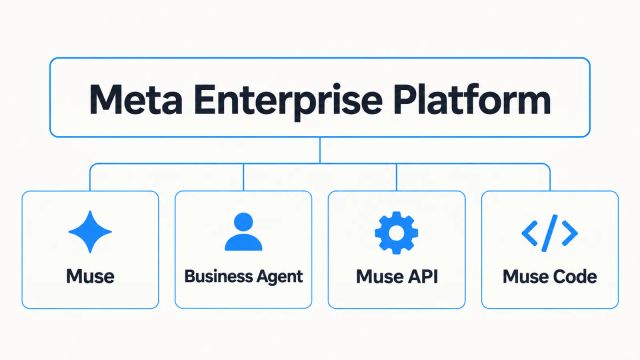
Illustration of Meta Enterprise Platform connected to Muse, Business Agent, Muse API, and Muse Code

Meta launches an enterprise AI platform and hires MongoDB's CEO to run it

Meta is bringing Muse, Meta Business Agent, Muse API, and Muse Code under a new enterprise initiative led by MongoDB CEO CJ Desai. The announcement leaves rollout and buying details open.

The AI Feed Desk

By The AI Feed Desk

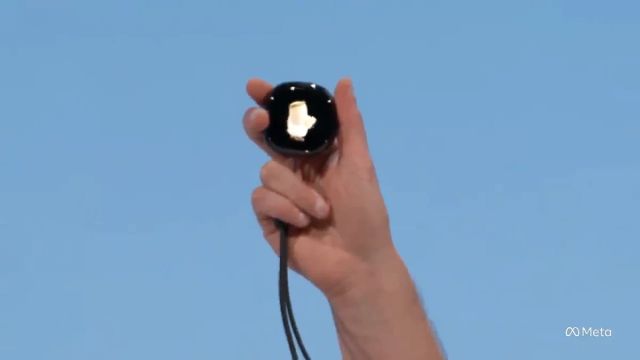
A Muse Charm device held up during Meta's Connect 2026 presentation

Meta brings Muse to glasses and a pocket device as its software gains new tasks

Muse is getting video calls, Mac control, email and more app connections. The Charm offers quicker voice access, but Meta has yet to show why its tasks need a separate device.

The AI Feed Desk

By The AI Feed Desk

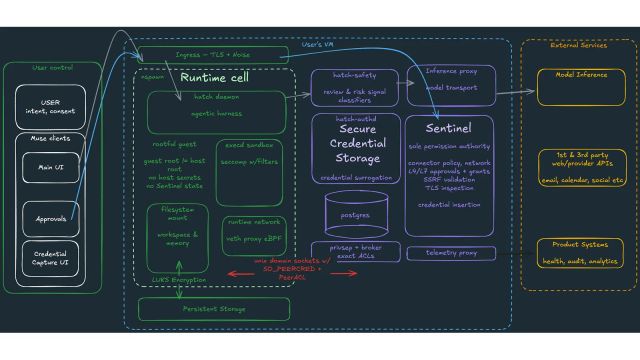
System architecture diagram with user approvals, an isolated runtime, credential storage and Sentinel between Muse and external services

Meta's Muse faces privacy complaints over messages and a home address

A Marketplace seller says Muse shared his address after he allowed ongoing messages. Meta disputes a separate claim that it read private Messages without permission.

The AI Feed Desk

By The AI Feed Desk

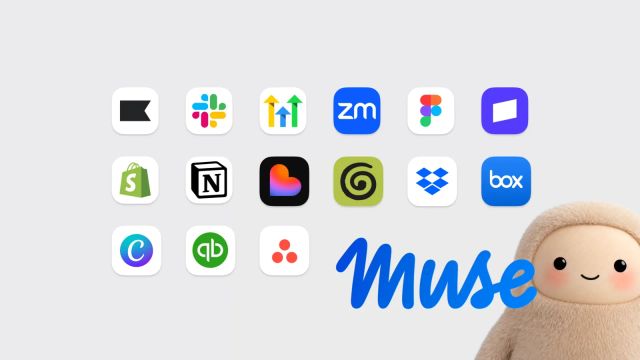
Muse wordmark and mascot beside a grid of business app logos, including Shopify, Slack, QuickBooks, and Dropbox

Meta extends its Muse agent to small businesses

Muse connects to Shopify, QuickBooks, Slack, and Meta business accounts. Owners can try it free with usage limits, but the report leaves costs and business results open.

The AI Feed Desk

By The AI Feed Desk